
My Experience at Young Africans Sports Club: Where Passion Met Purpose
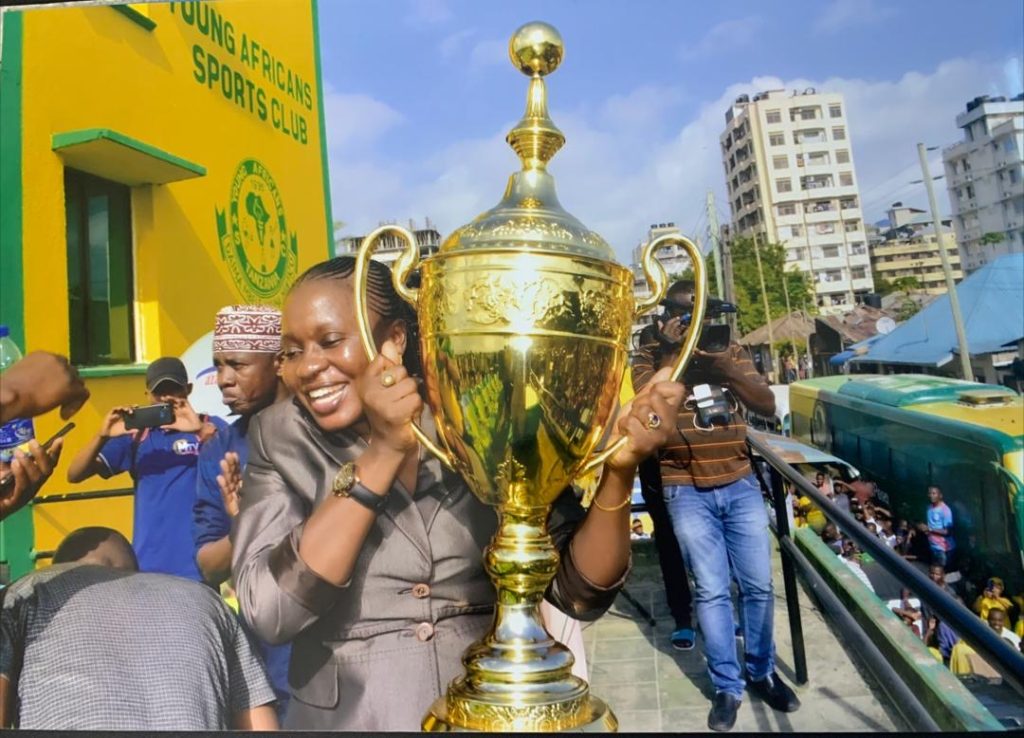
One of the most defining chapters in my journey through sport began with Young Africans Sports Club (Yanga SC); not just a football club, but a cultural symbol of hope, unity, and resilience for millions of Tanzanians.
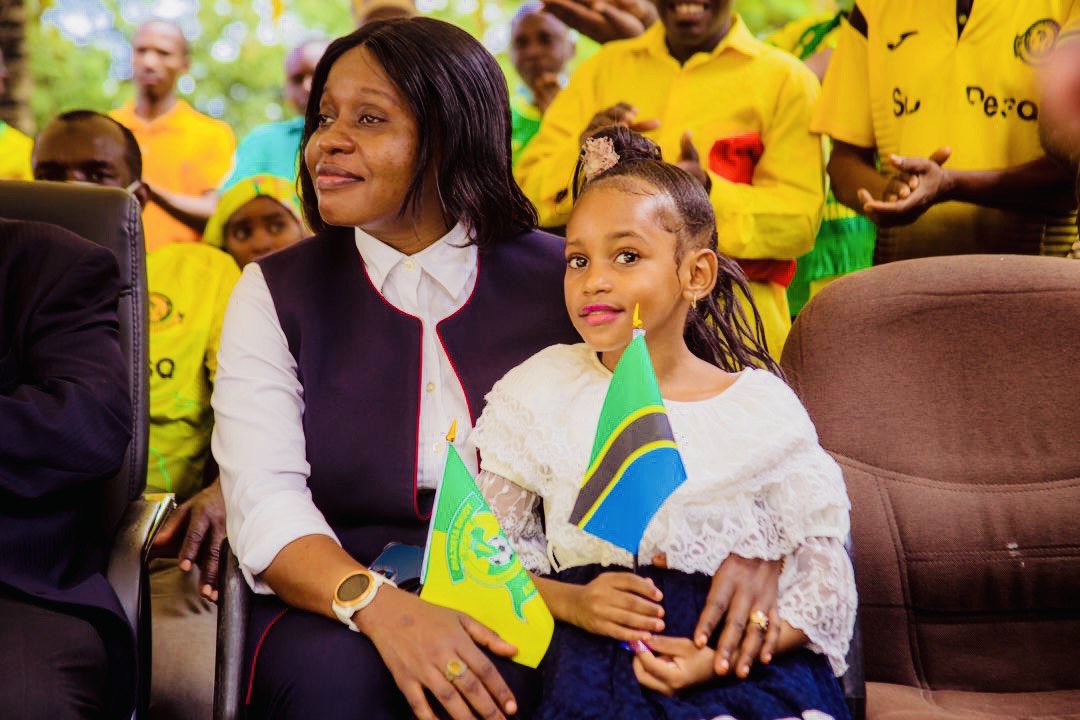
Growing up, football was the language I spoke with my father; he was a diehard Yanga fan, and in many ways, so was I. But it wasn’t until later in life that I stepped beyond the stands and into the club’s structure, where my understanding of sport, leadership, and gender dynamics would be deeply tested and transformed.
Stepping into the Arena
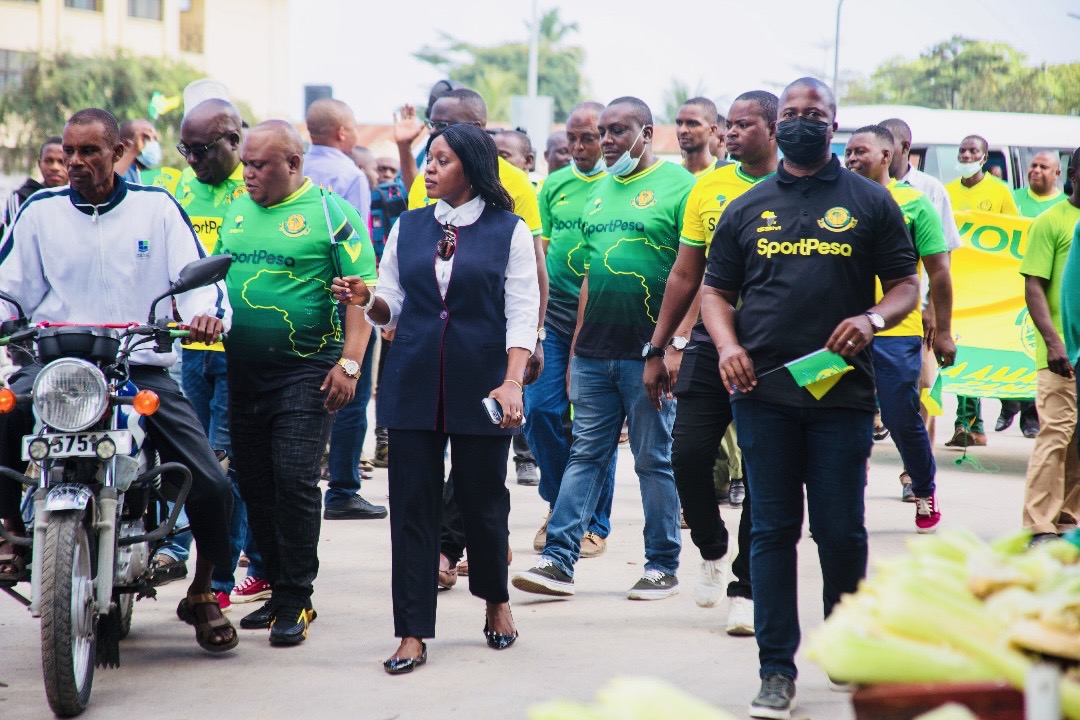
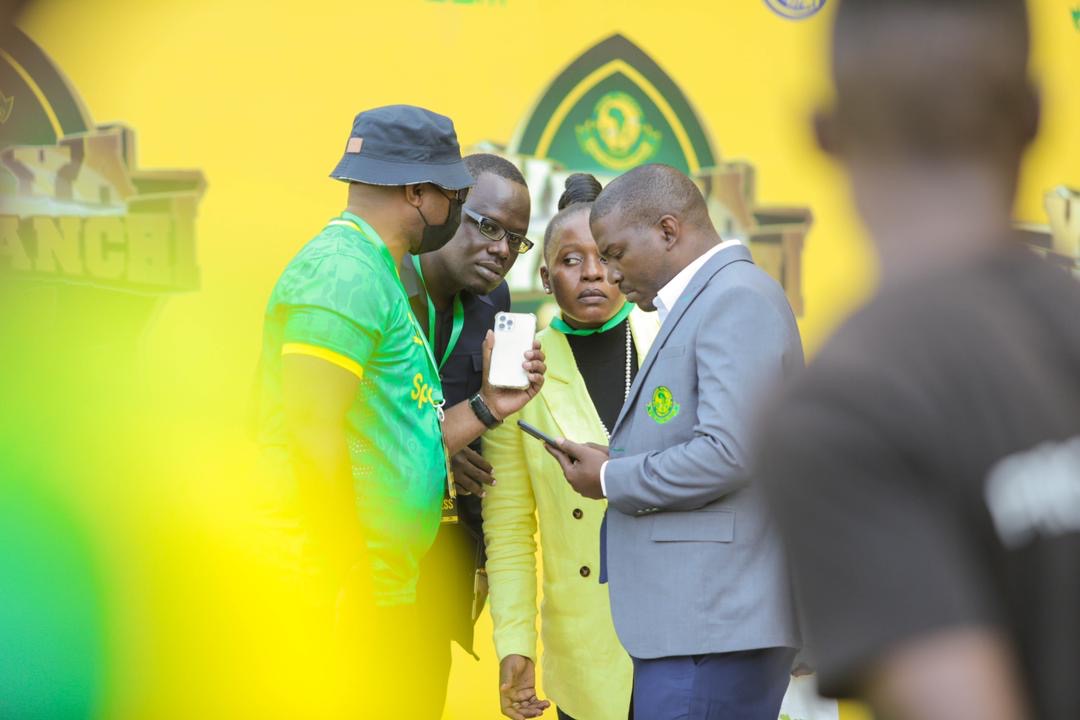
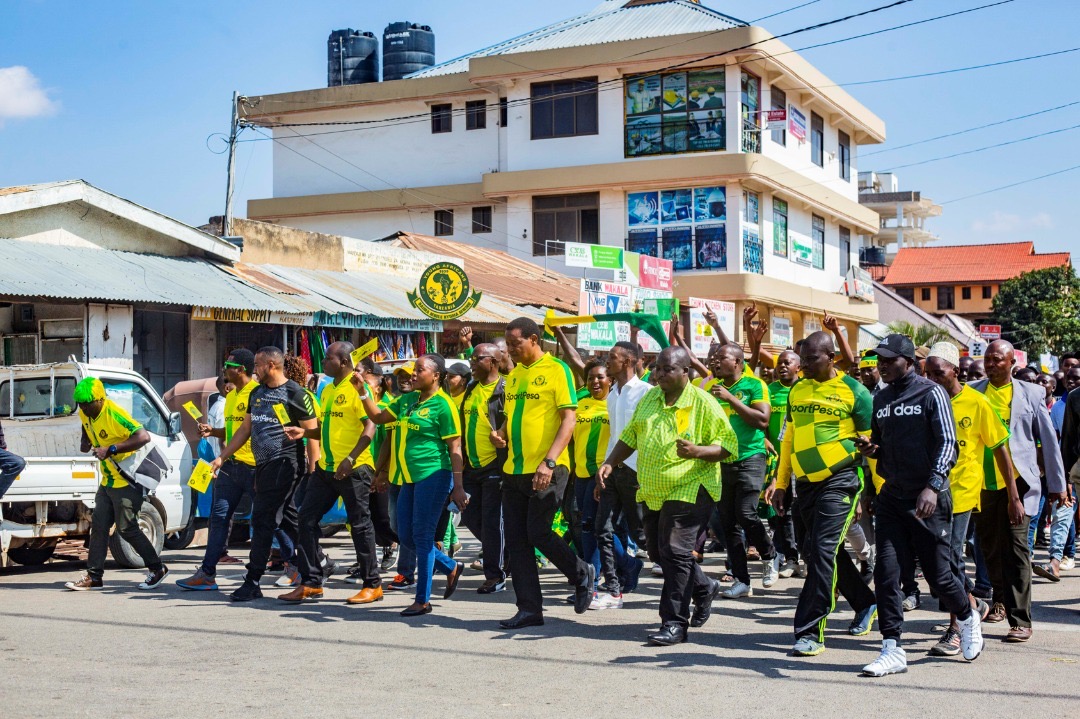
I joined Yanga SC as a member and stakeholder, keen to contribute as a fan and professional woman with construction, management, and governance expertise. I participated in General Meetings, strategic discussions, and internal reform debates, and quickly realized that women’s voices, though present, were often drowned out in spaces traditionally dominated by men.
This motivated me to speak up respectfully, but firmly. I was born with a passion to begin advocating for greater inclusion of women in club governance, more support for women’s football development, and stronger member engagement structures. The club has the potential to reflect the diversity of its supporters, not just on the pitch, but in the boardroom.
Learning from the Inside
My time at Yanga SC gave me rare insights into the inner workings of elite sports clubs in Tanzania, the politics, the passions, and the possibilities. I witnessed how clubs like Yanga are not just sports institutions, but social movements with enormous potential to drive change if they choose to. I also saw the gaps: the need for professionalisation, better infrastructure, transparent governance, and, critically, the recognition and development of women’s football within historically male centered structures.
What It Meant to Me
Yanga SC reminded me that real change starts from within. Being part of that ecosystem as a woman, a mother, a sports enthusiast, and an advocate reaffirmed my belief in the power of membership based organisations to become more inclusive, responsive, and visionary.
This experience directly shaped my MEMOS project, where I sought to tackle equity and inclusion in women’s sports through the lens of football. It inspired the restructuring of Uhuru Women’s Club, a space where women and girls can reclaim their place in the game.
Leadership in Young African SC Governance
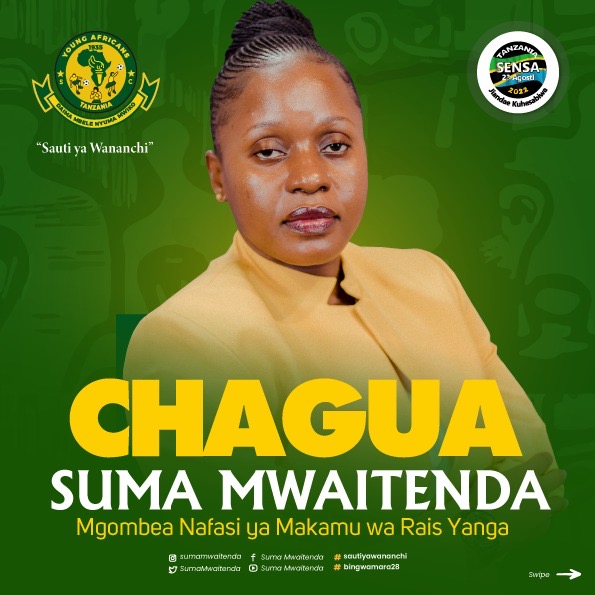
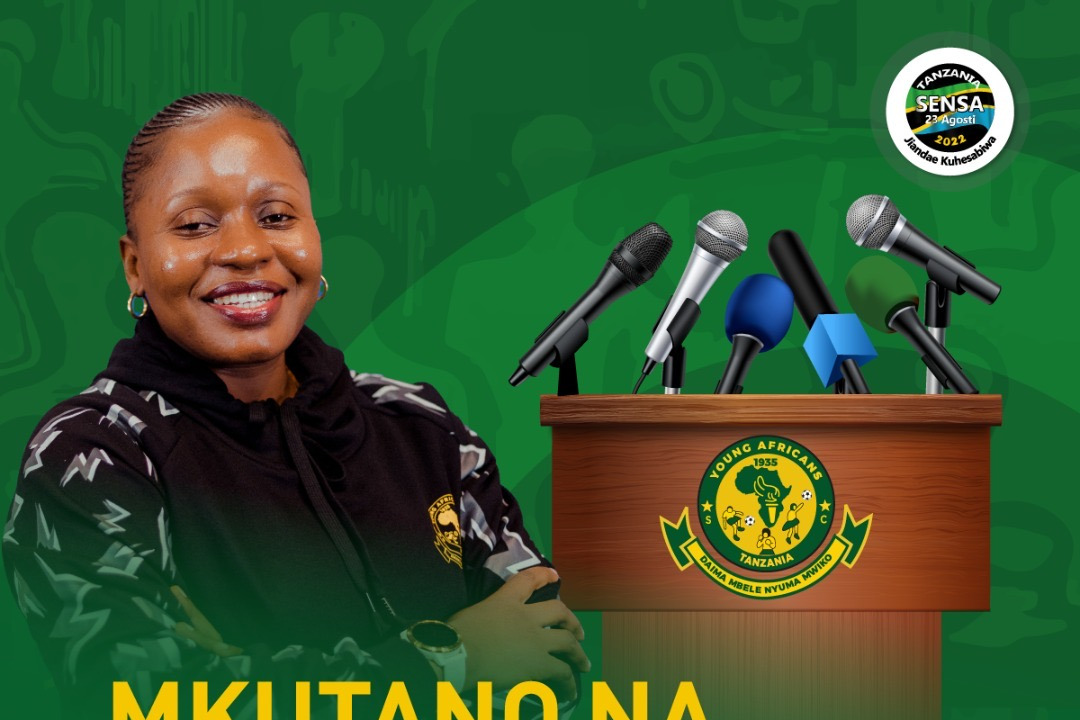
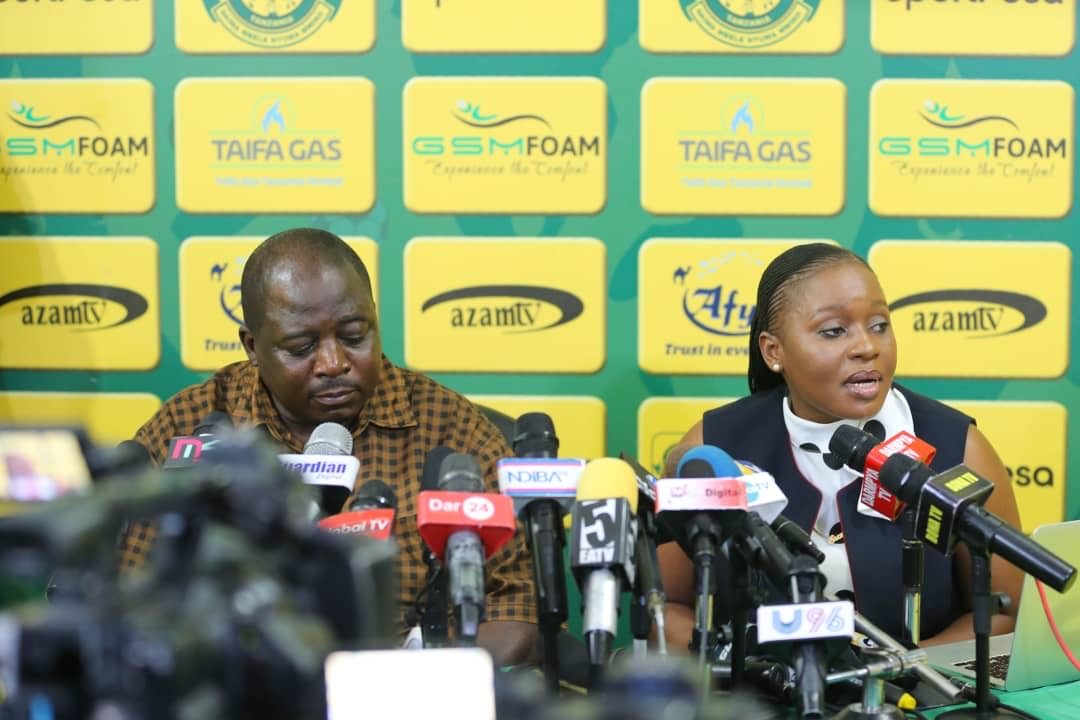
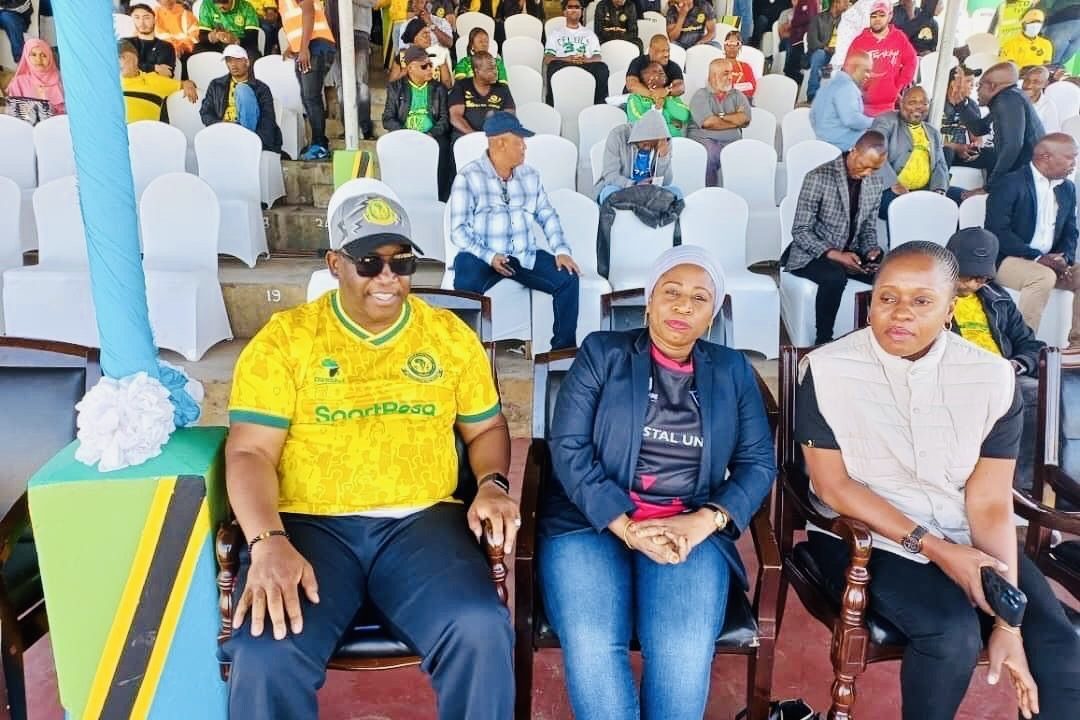
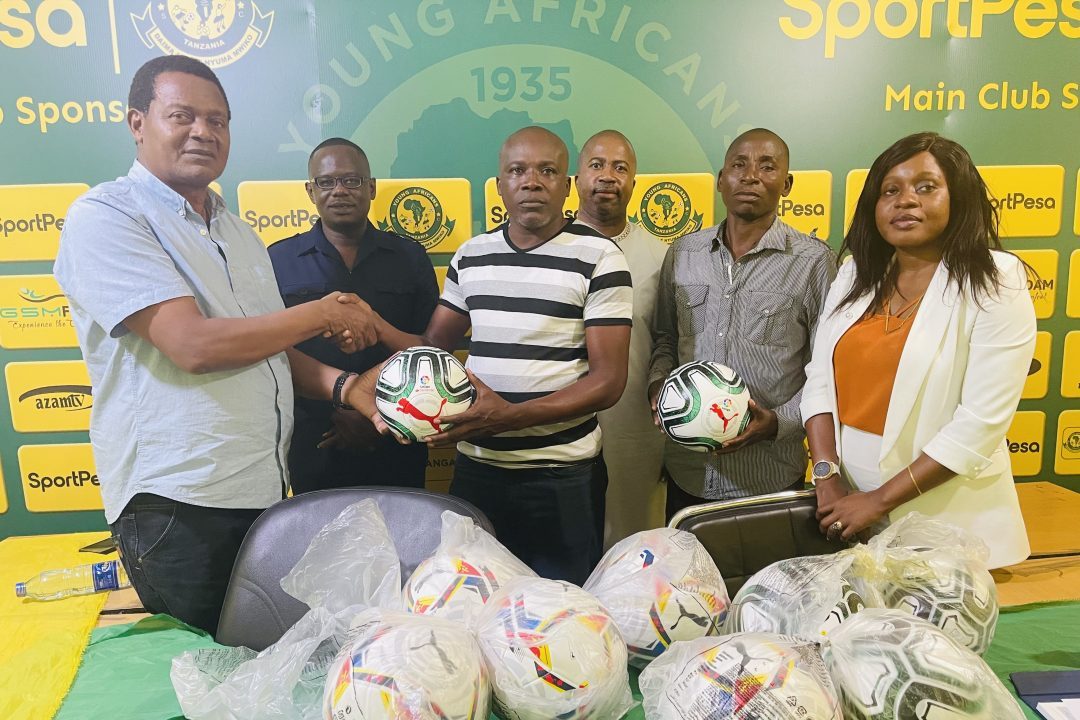
Suma Mwaitenda served as an Executive Committee Member of Young Africans Sports Club from 2020 to 2022, one of the most prominent and historic football clubs in East and Central Africa. Her leadership extended to:
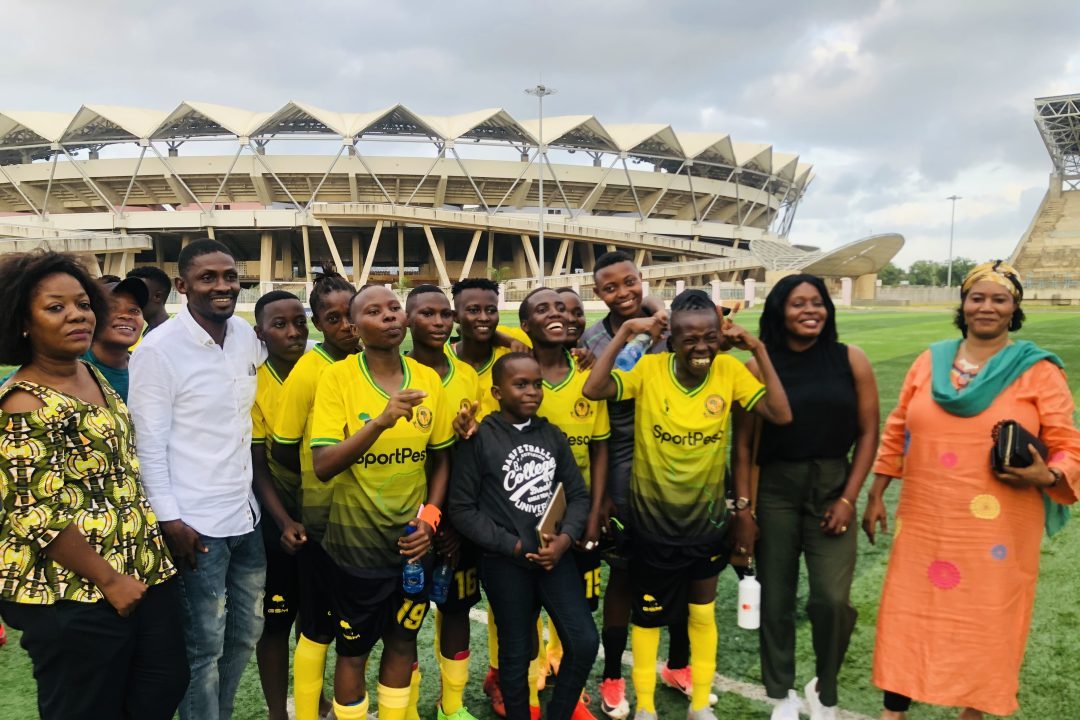
- Chairperson of Yanga Princess Women’s Football Team, leading the team to a 2nd place finishin the Serengeti Women’s Premier League (2020/21).
- Chairperson of the Members and Fans Mobilization Committee, driving membership engagement and club community outreach.
- Member of Key Committees: Construction & Infrastructure, Planning & Finance, providing expertise in project management and capital development initiatives.
I am proud to have been part of Young Africans SC, not just as a supporter, but as a woman who dared to contribute to its future.
Global Sports Mentoring Program (GSMP): U.S. Department of State and ESPNW Sports Diplomacy Alumni
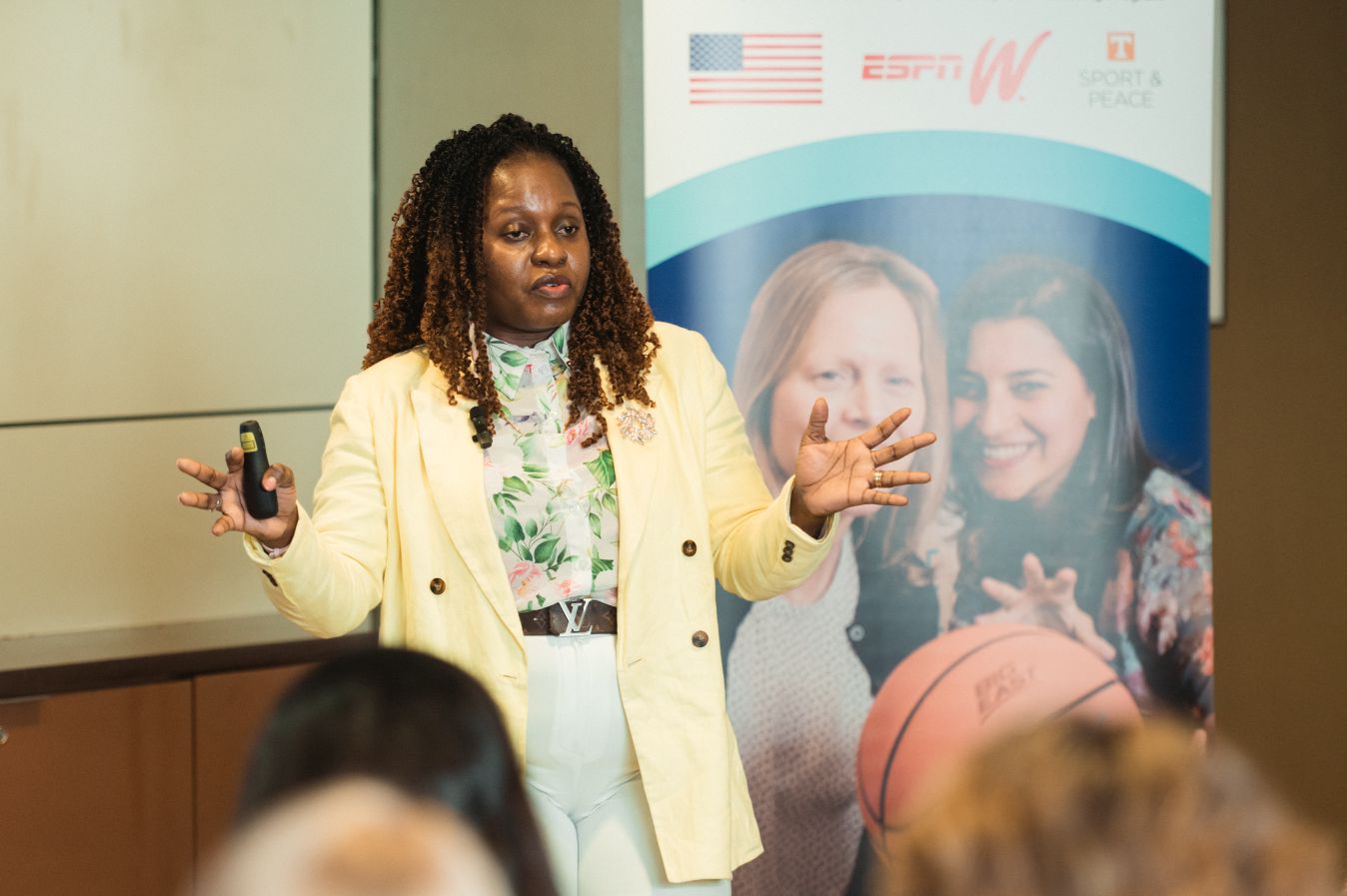
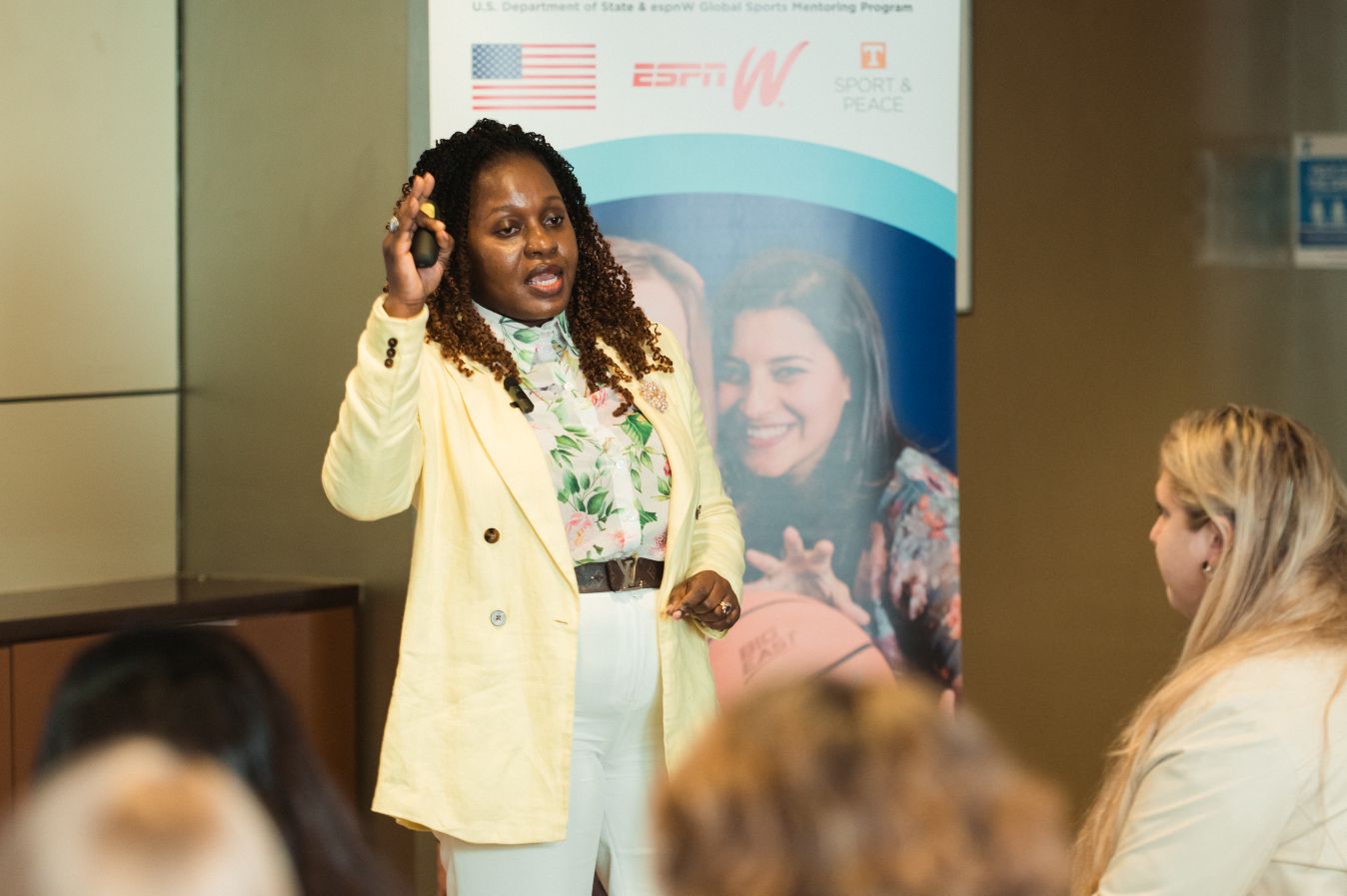
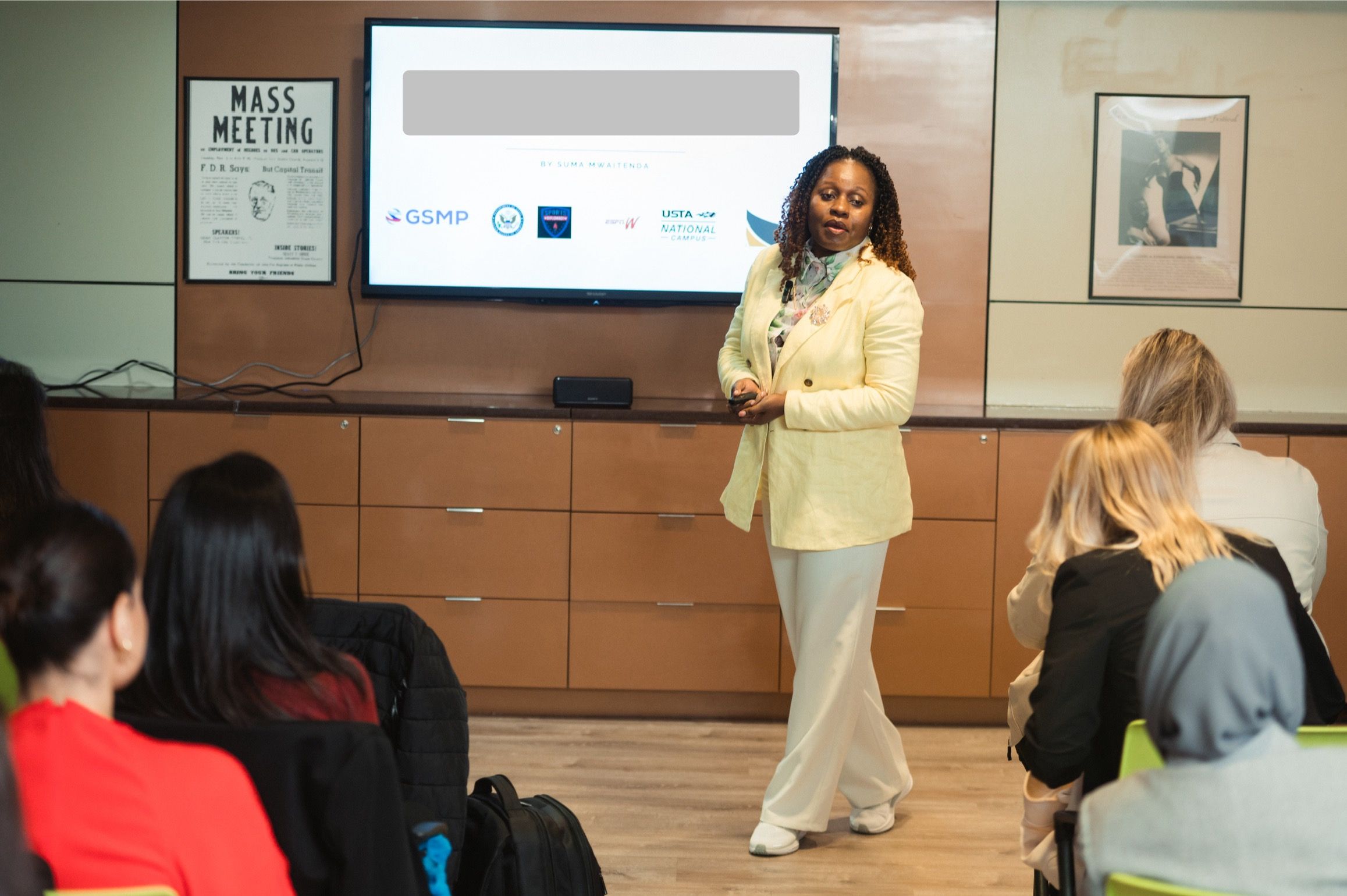
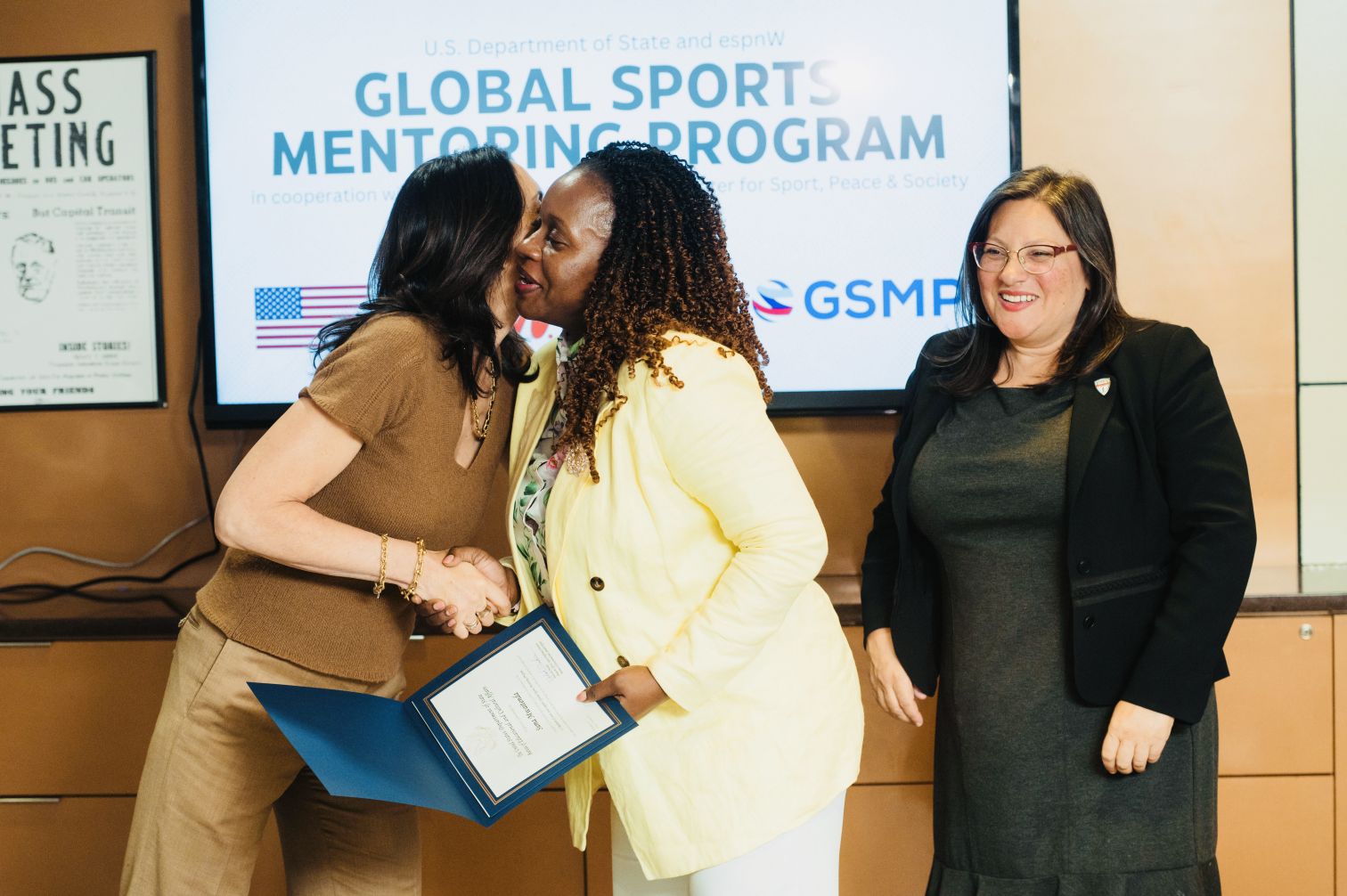
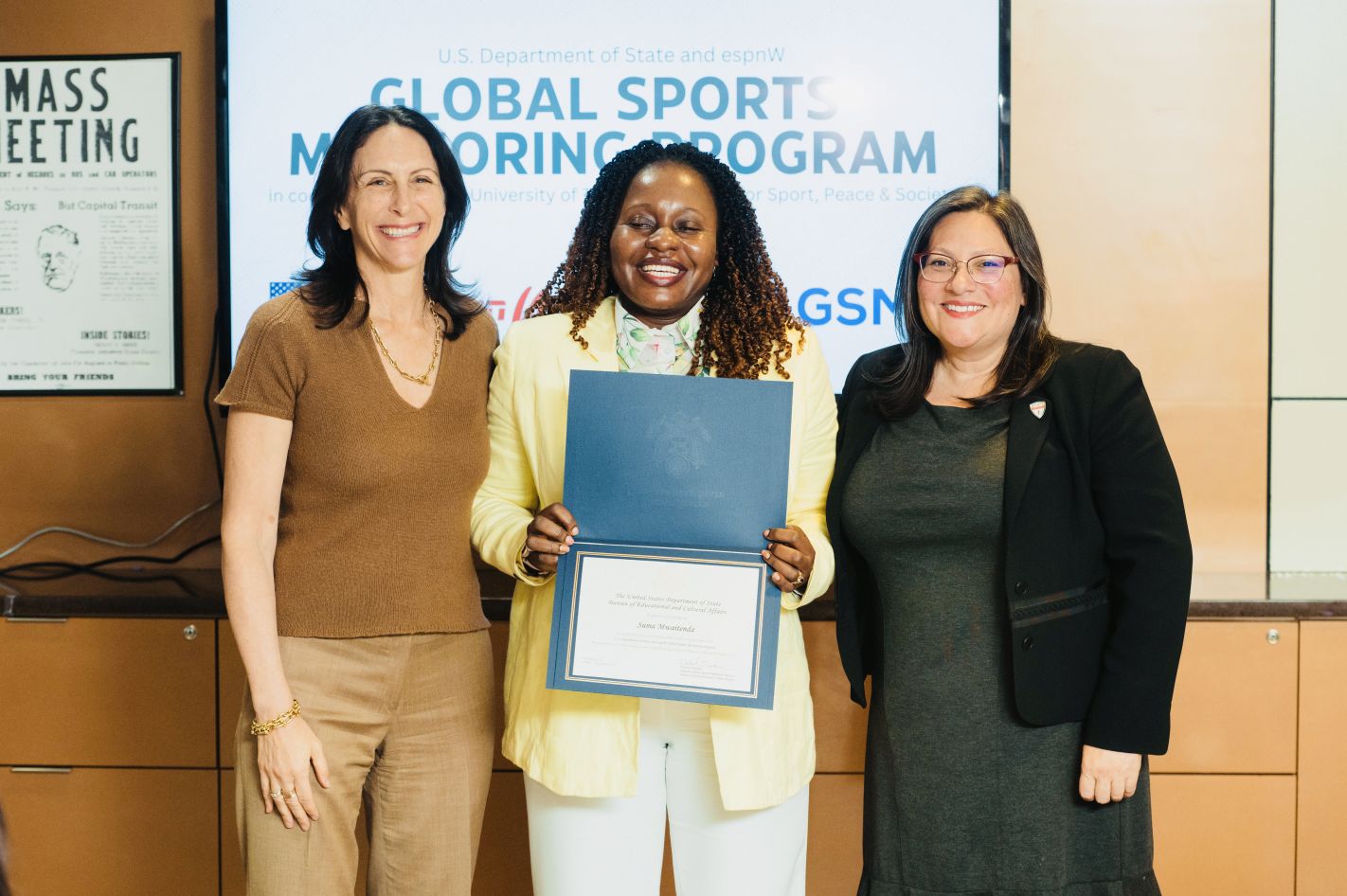
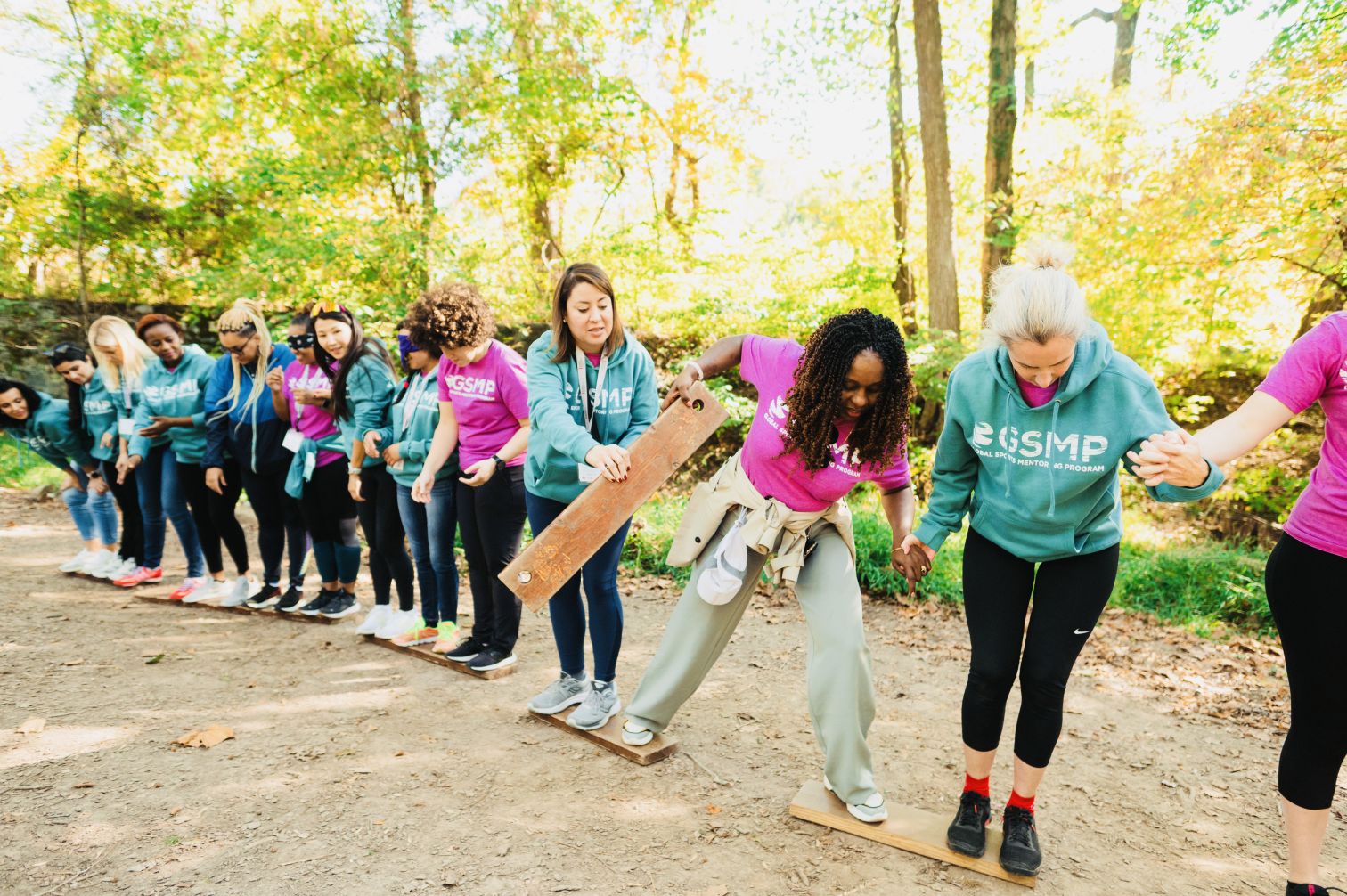
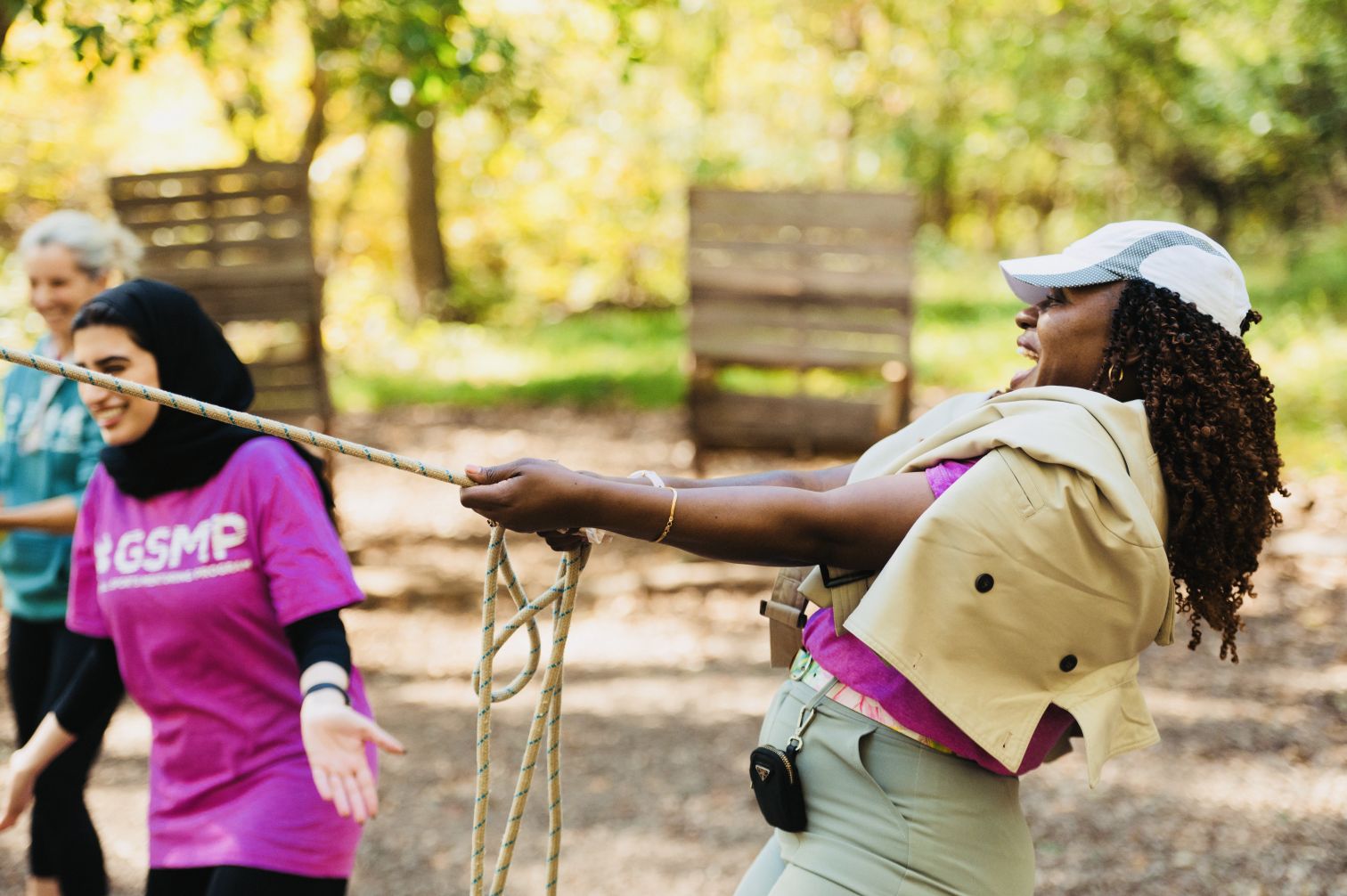
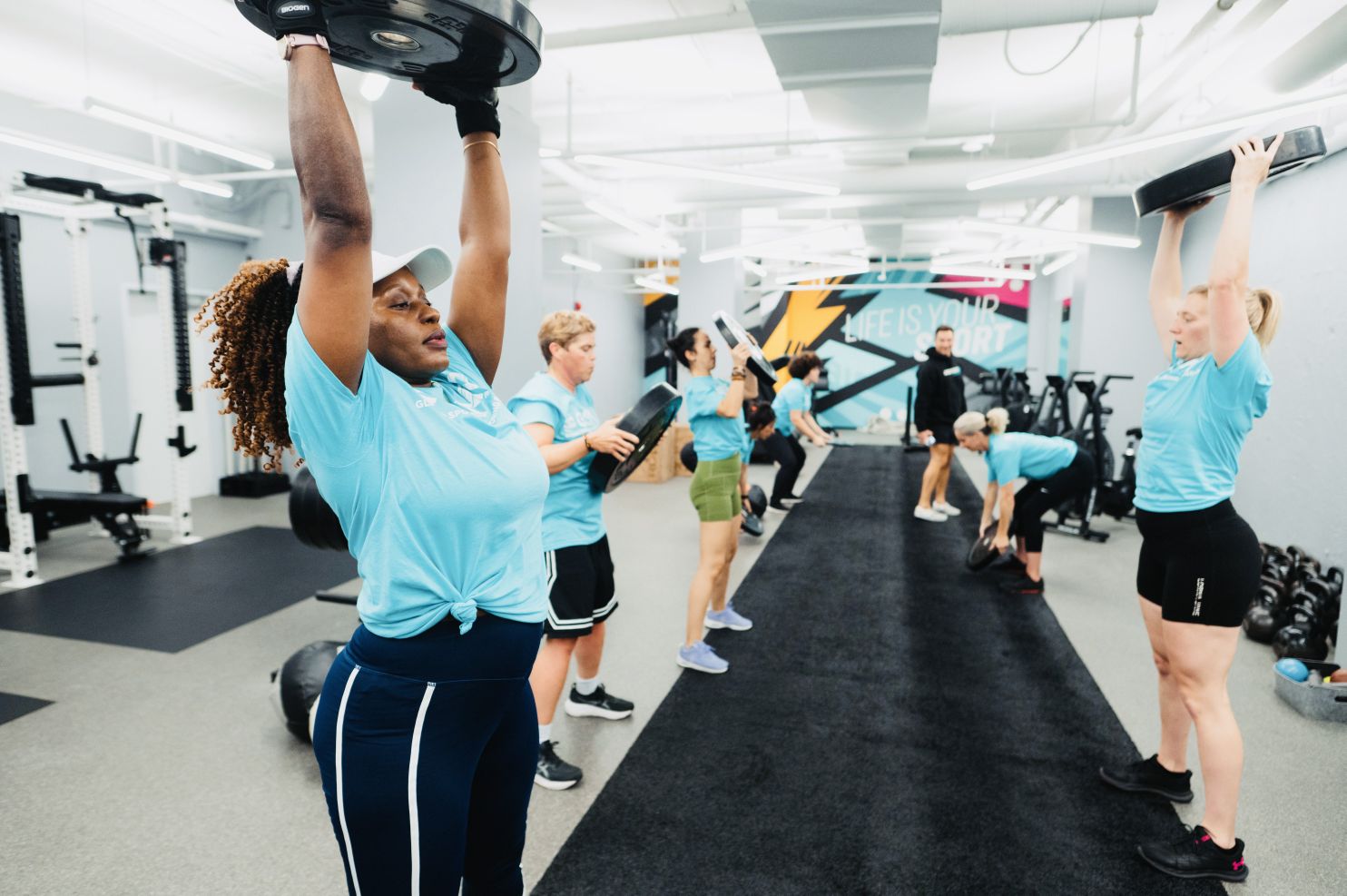
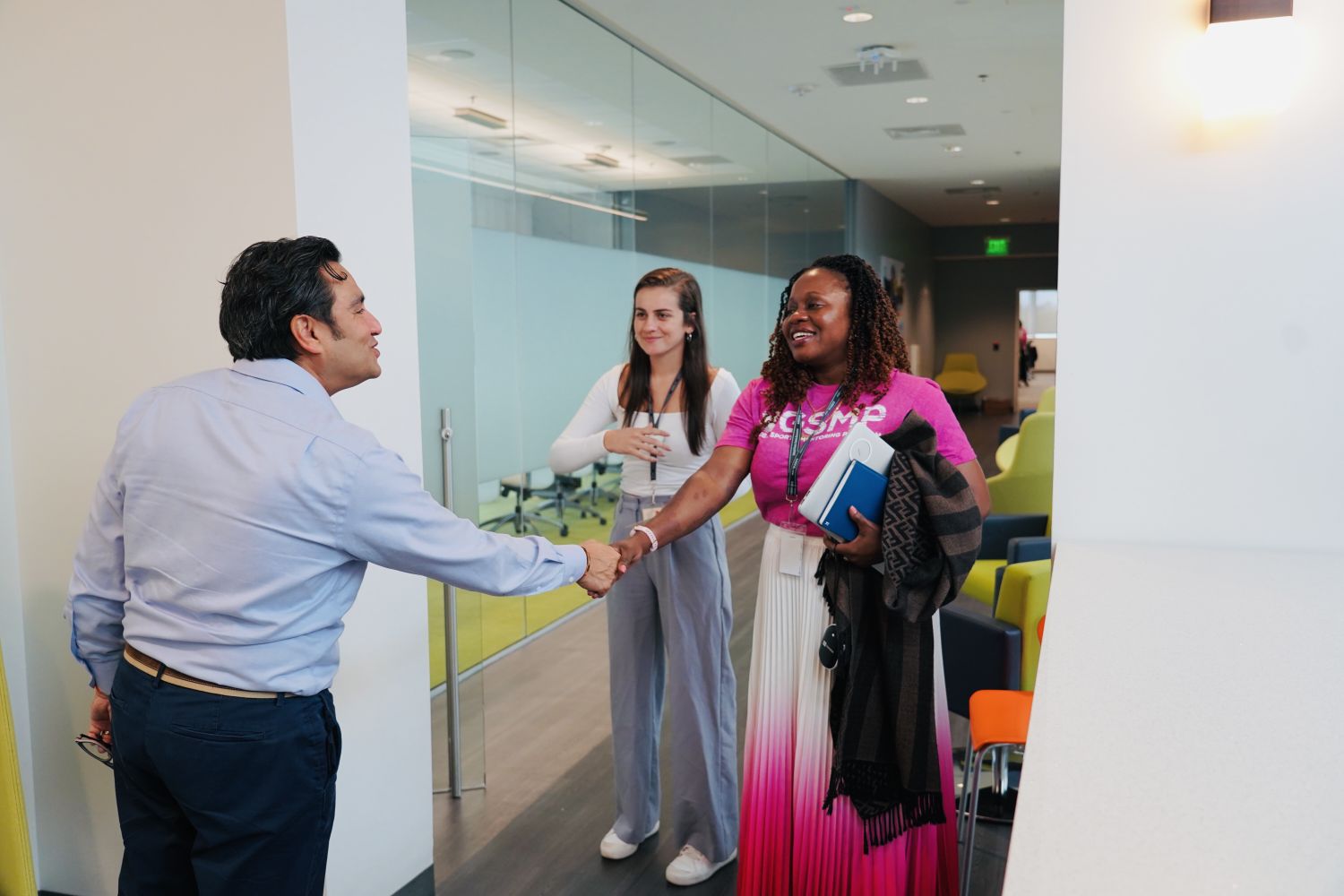
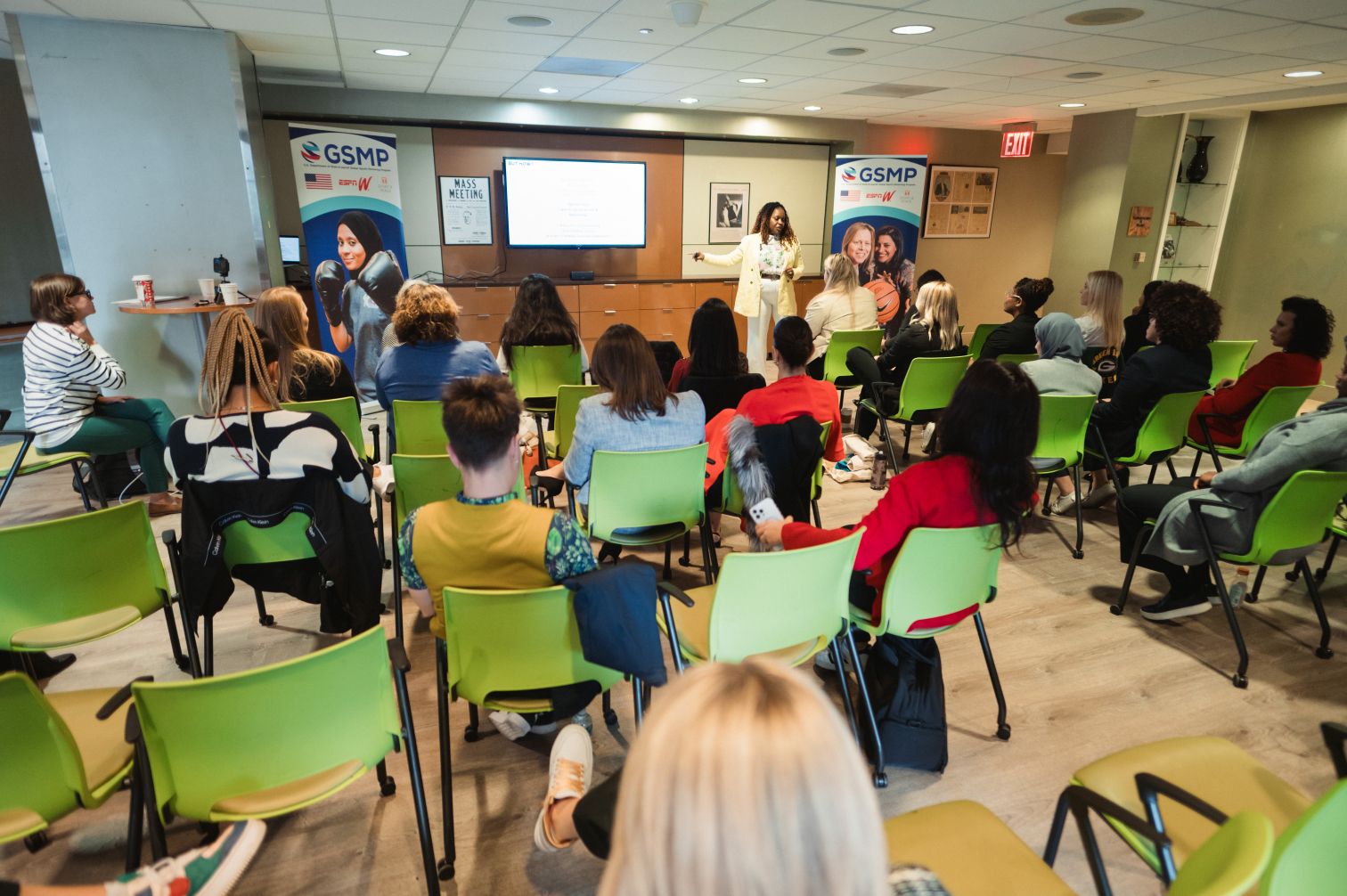
In 2024, Suma was selected as a Sports Envoy Fellow of the prestigious Global Sports Mentoring Program (GSMP), a partnership between the U.S. Department of State, ESPNW, and the University of Tennessee’s Center for Sport, Peace & Society.
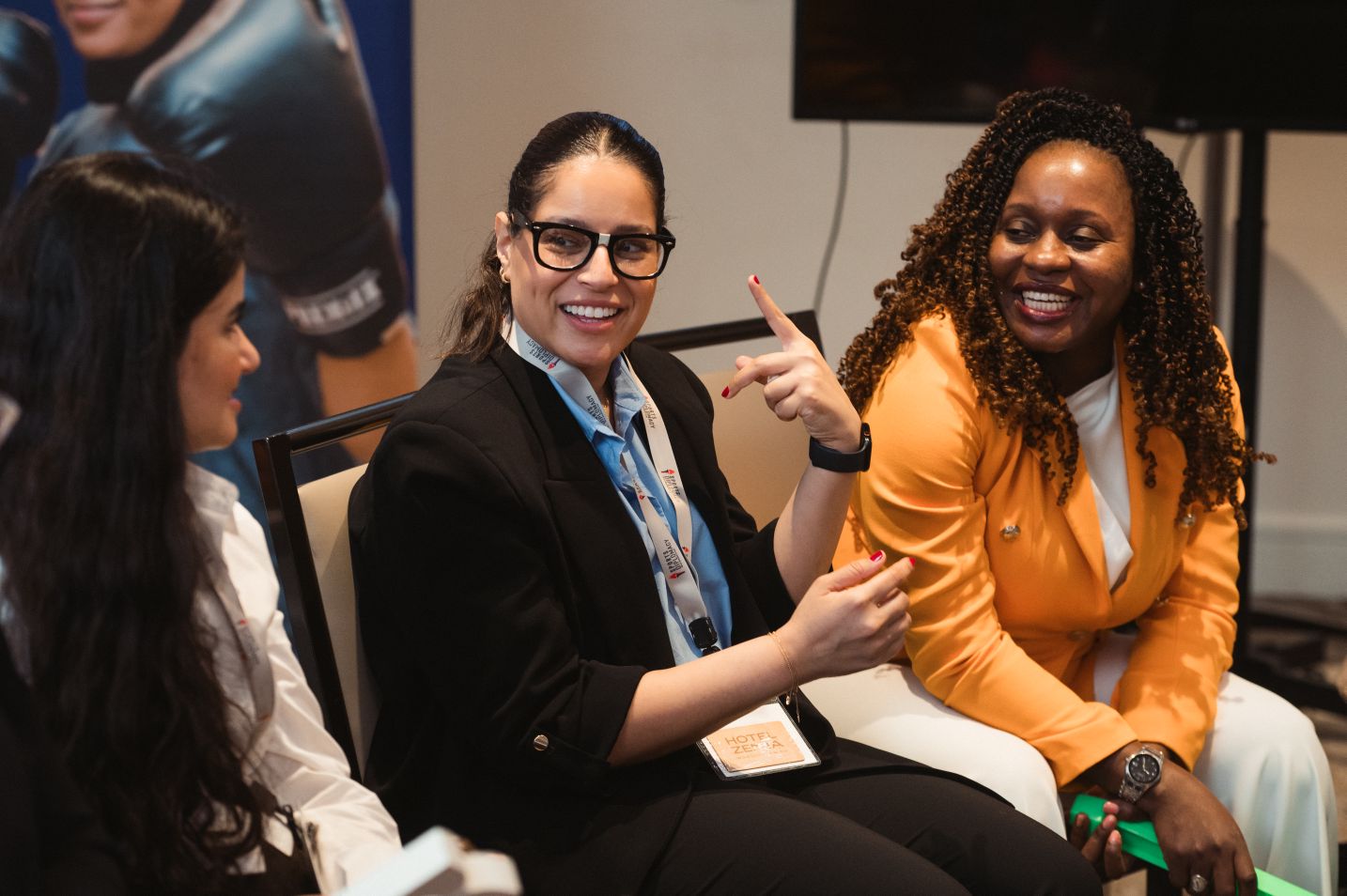
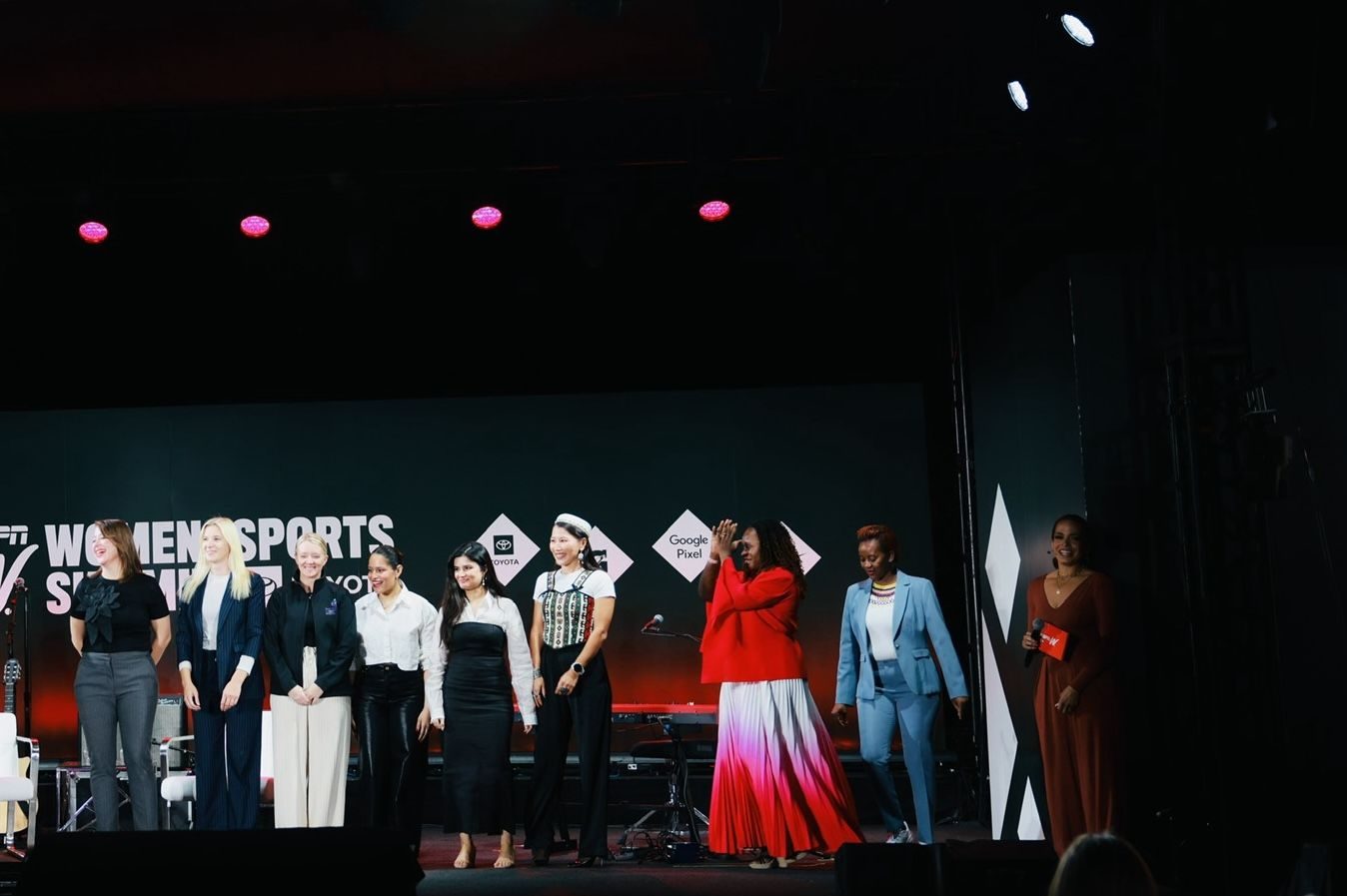
- Attended the ESPNW Women + Sport Conferencein Santa Barbara, California.
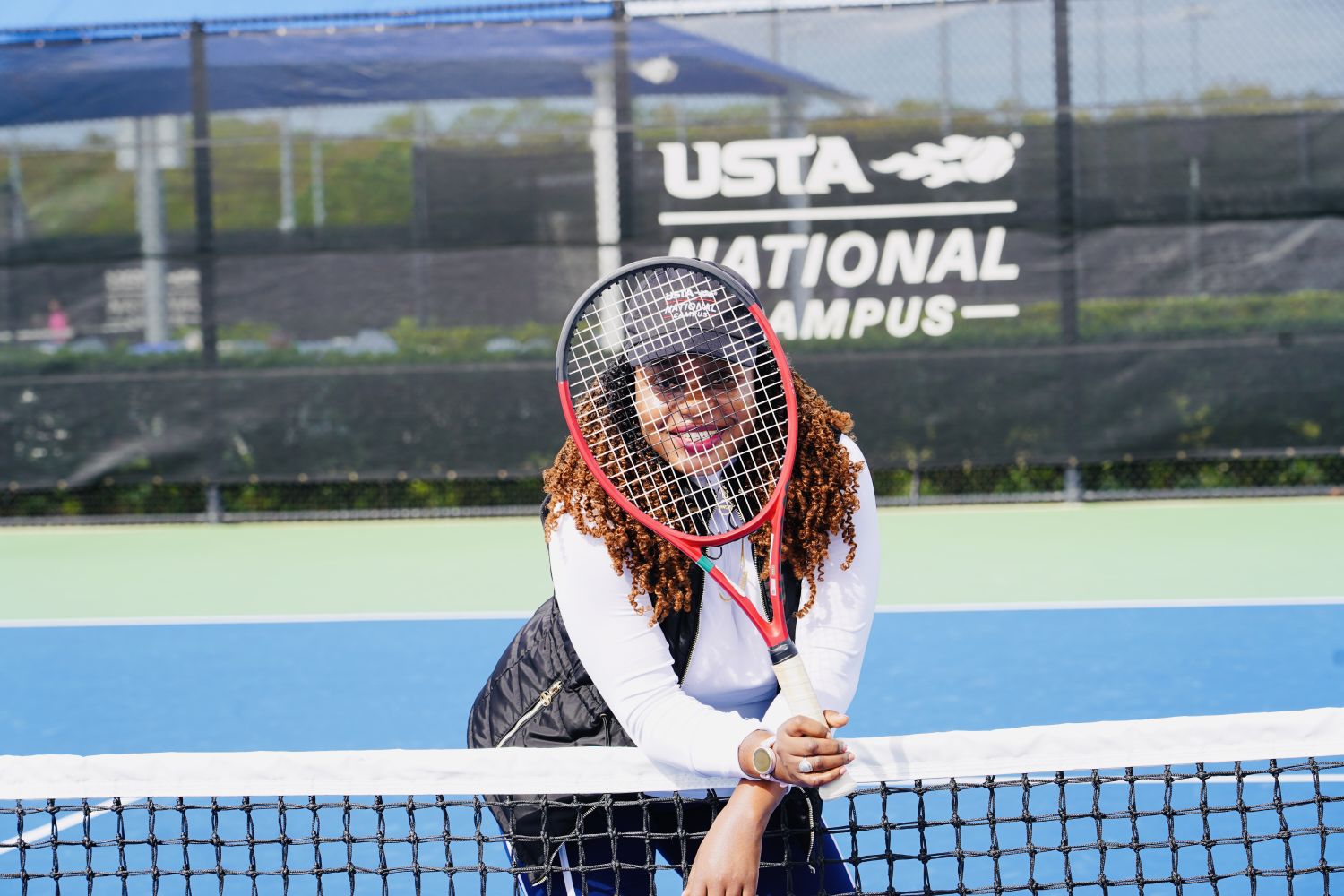
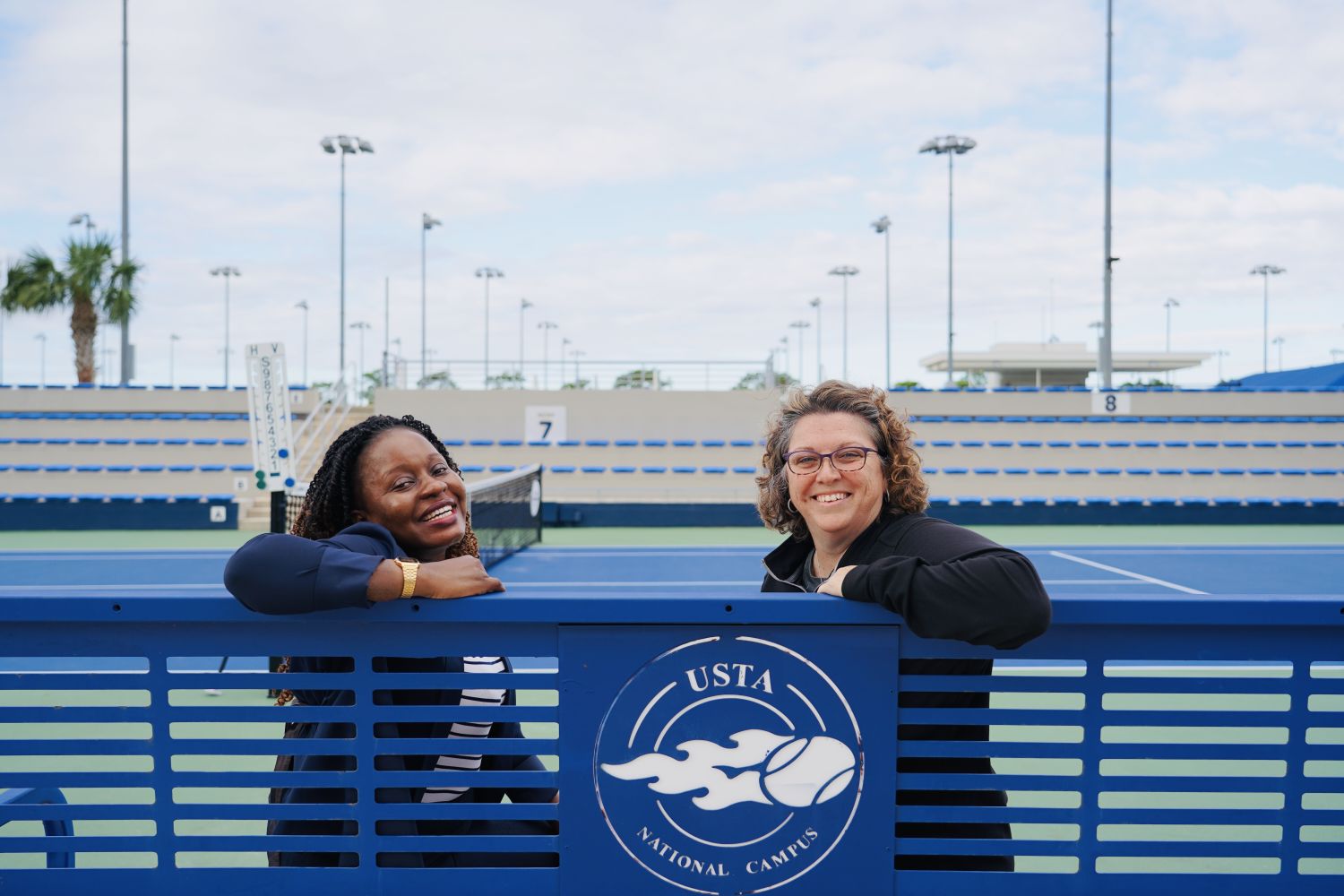
- Mentored at the United States Tennis Association (USTA)
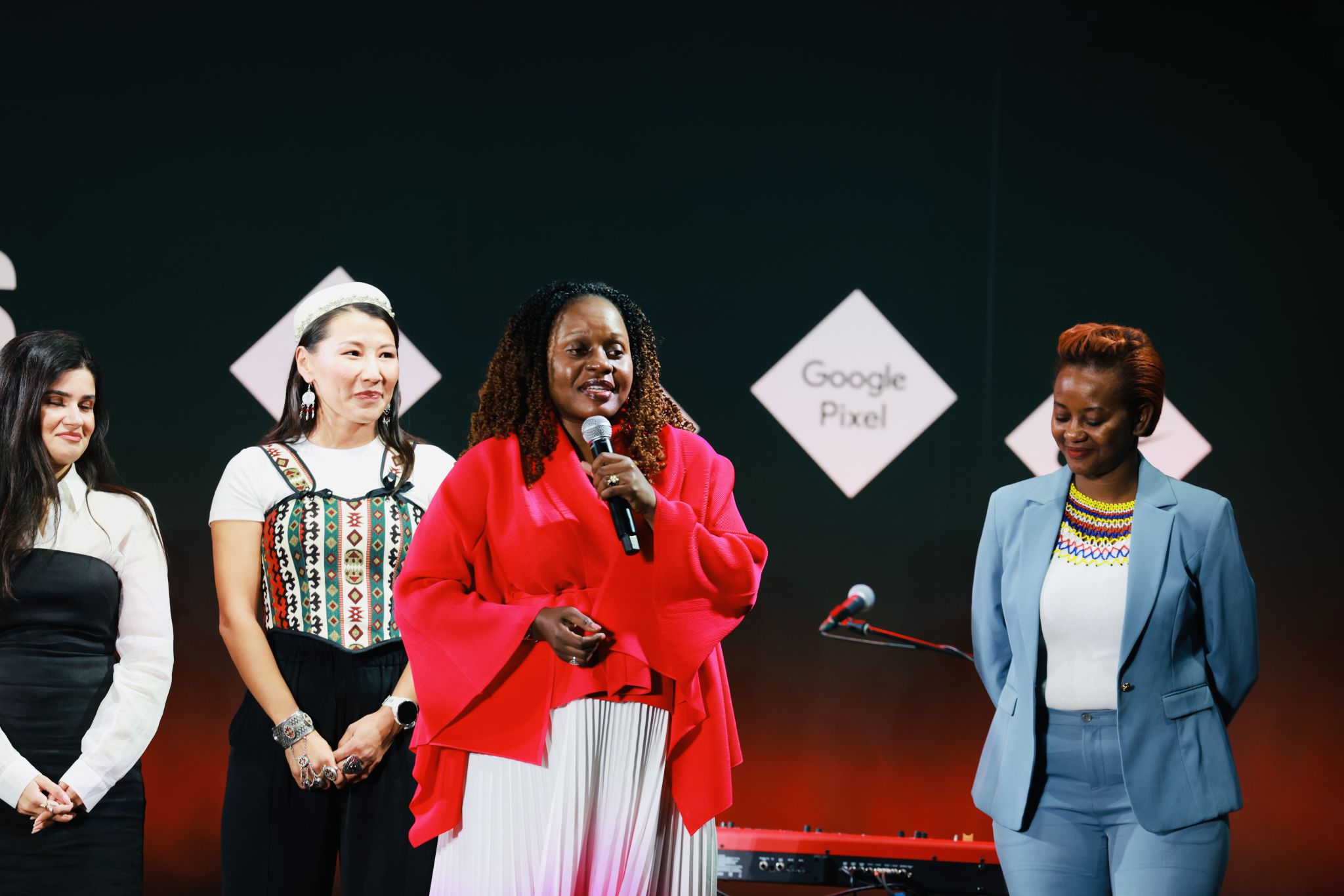
- She shared her vision of using sport for community empowerment in Tanzania.
- Joined a global network of women leaders advancing equity, access, and leadership through sport diplomacy.
This experience strengthened her advocacy for inclusive sports development, mentorship for young female athletes, and strategic collaborations with international stakeholders.
Tanzania Olympic Committee (TOC)
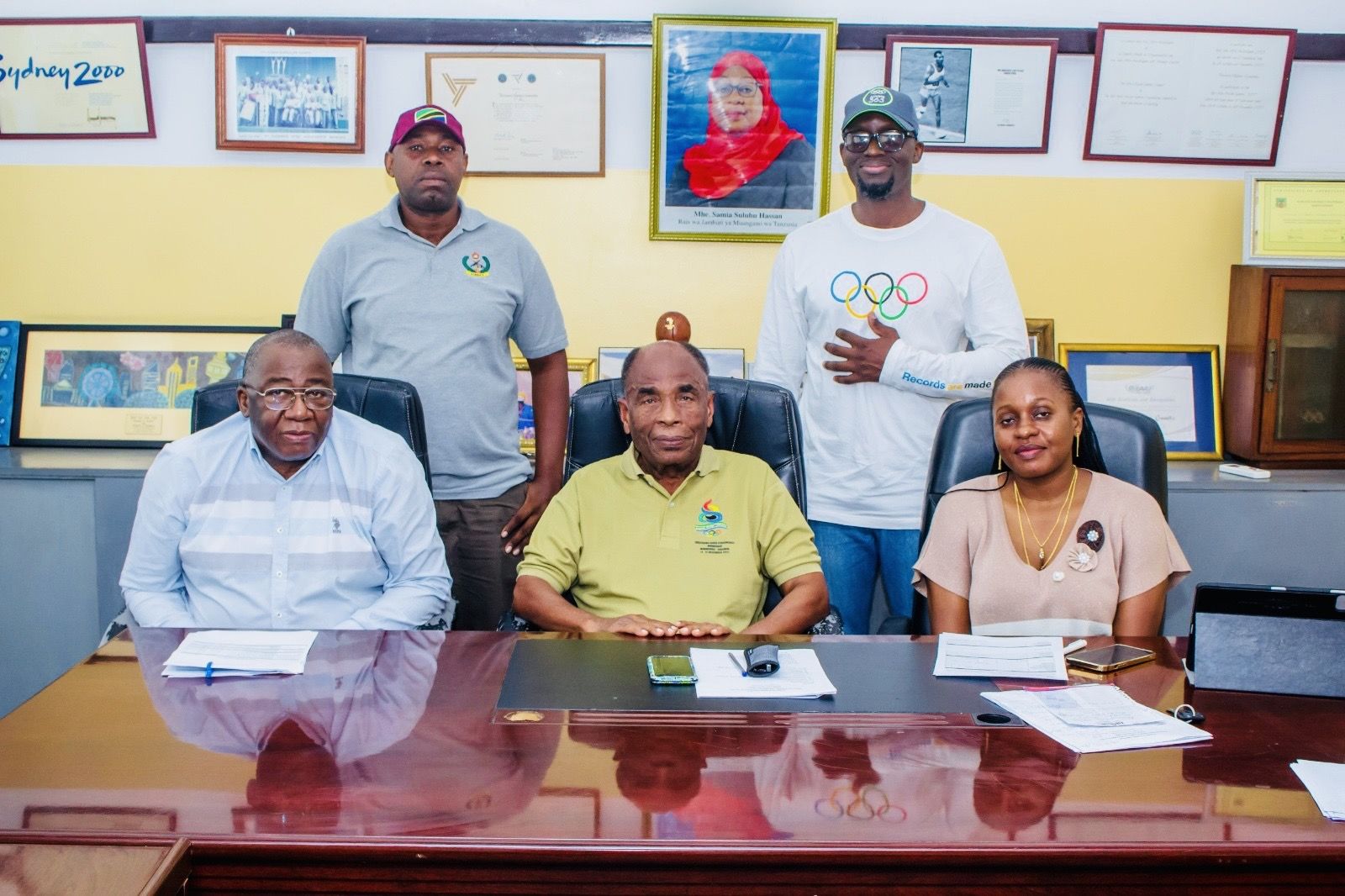
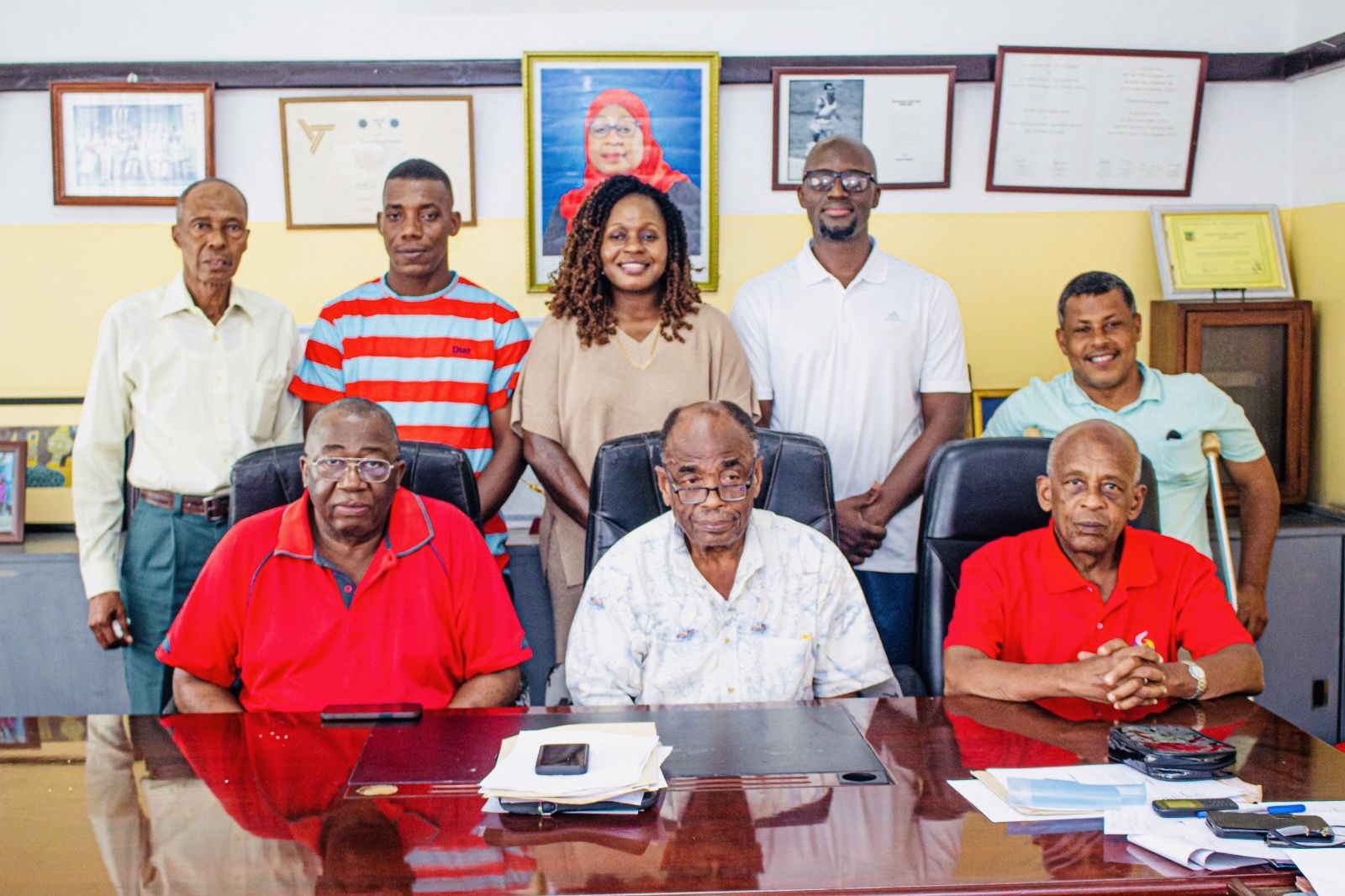
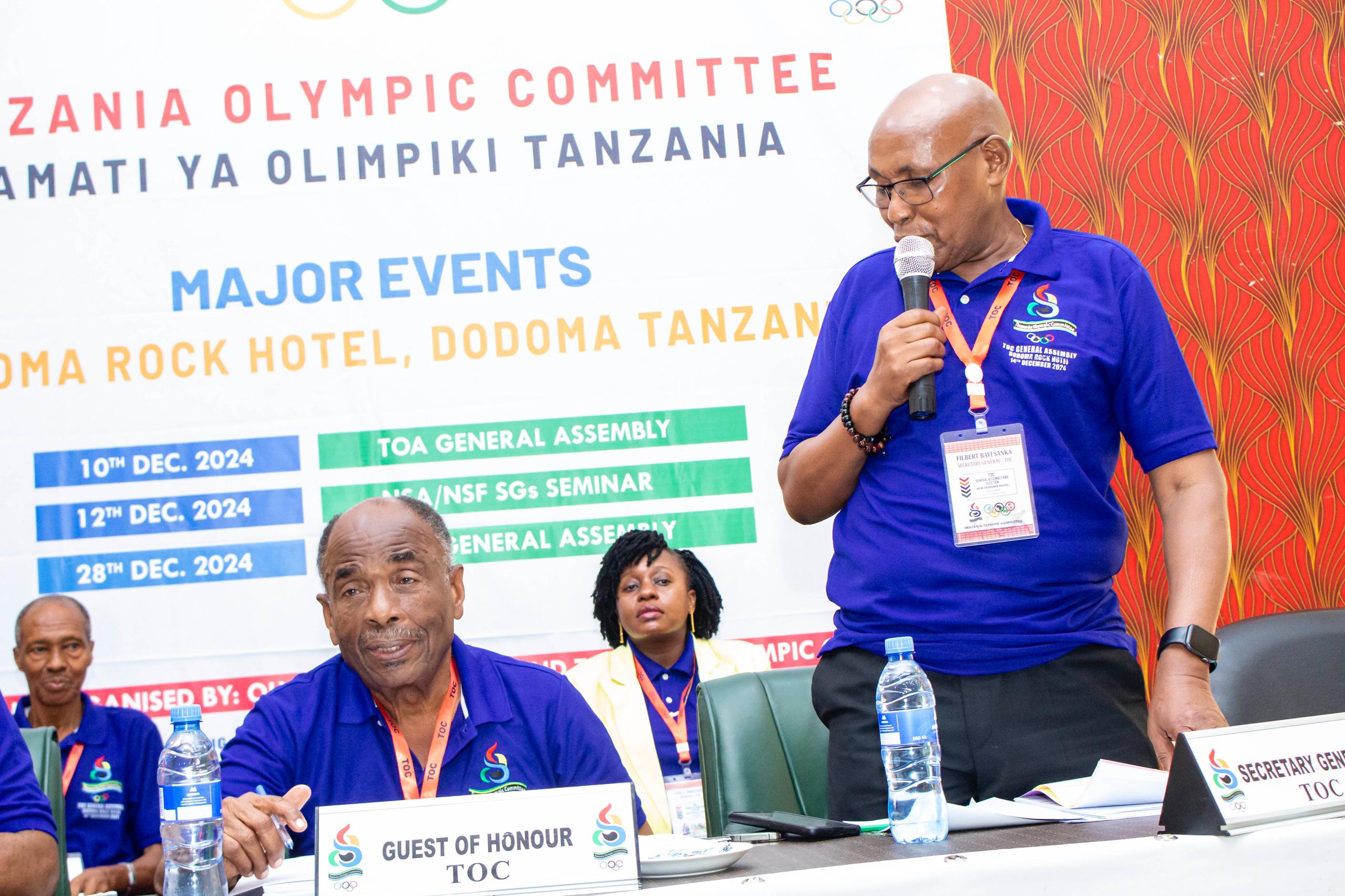
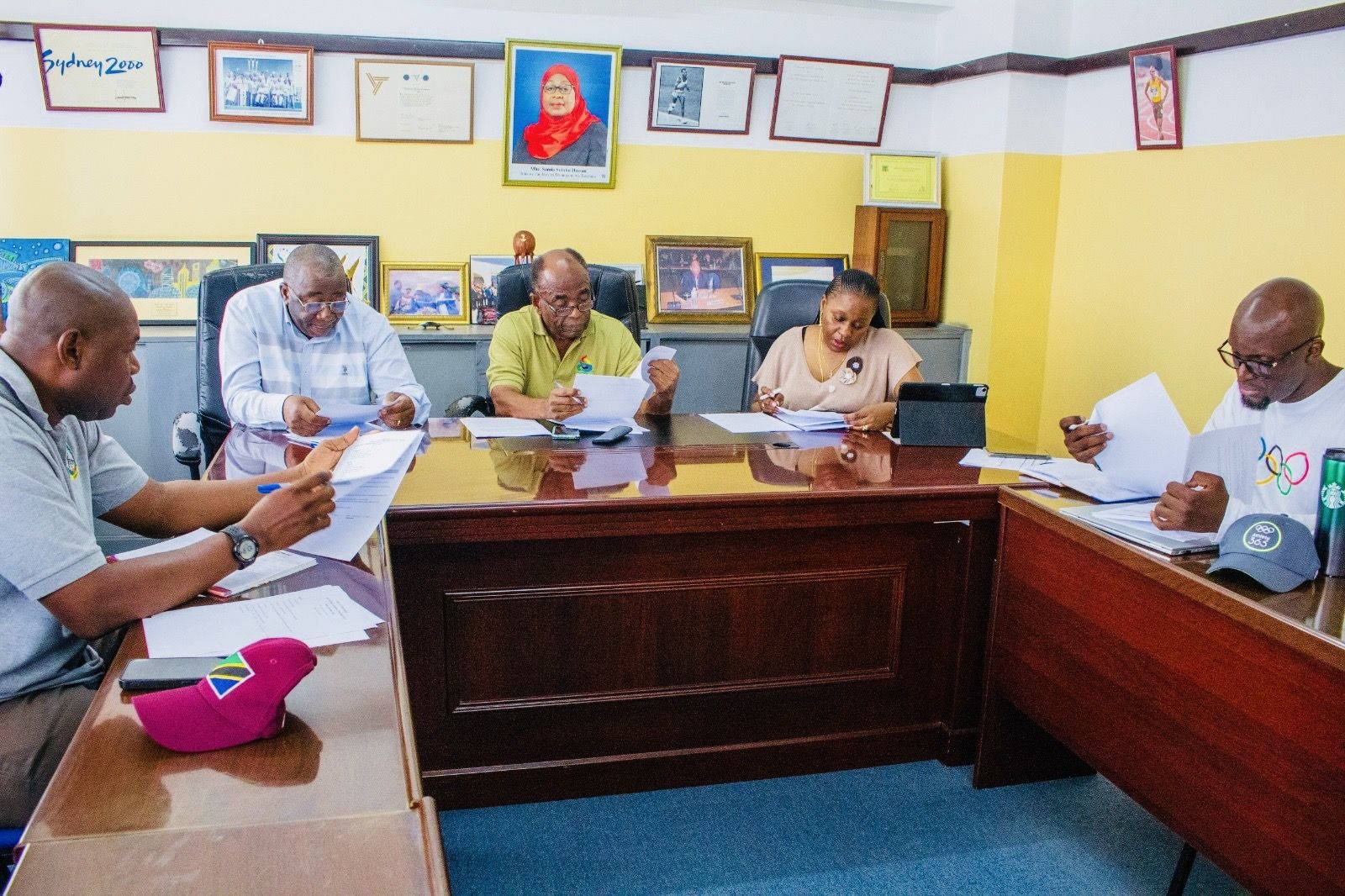
Suma is an elected Member of the Tanzania Olympic Committee (TOC) since 2020 and currently serves as the:
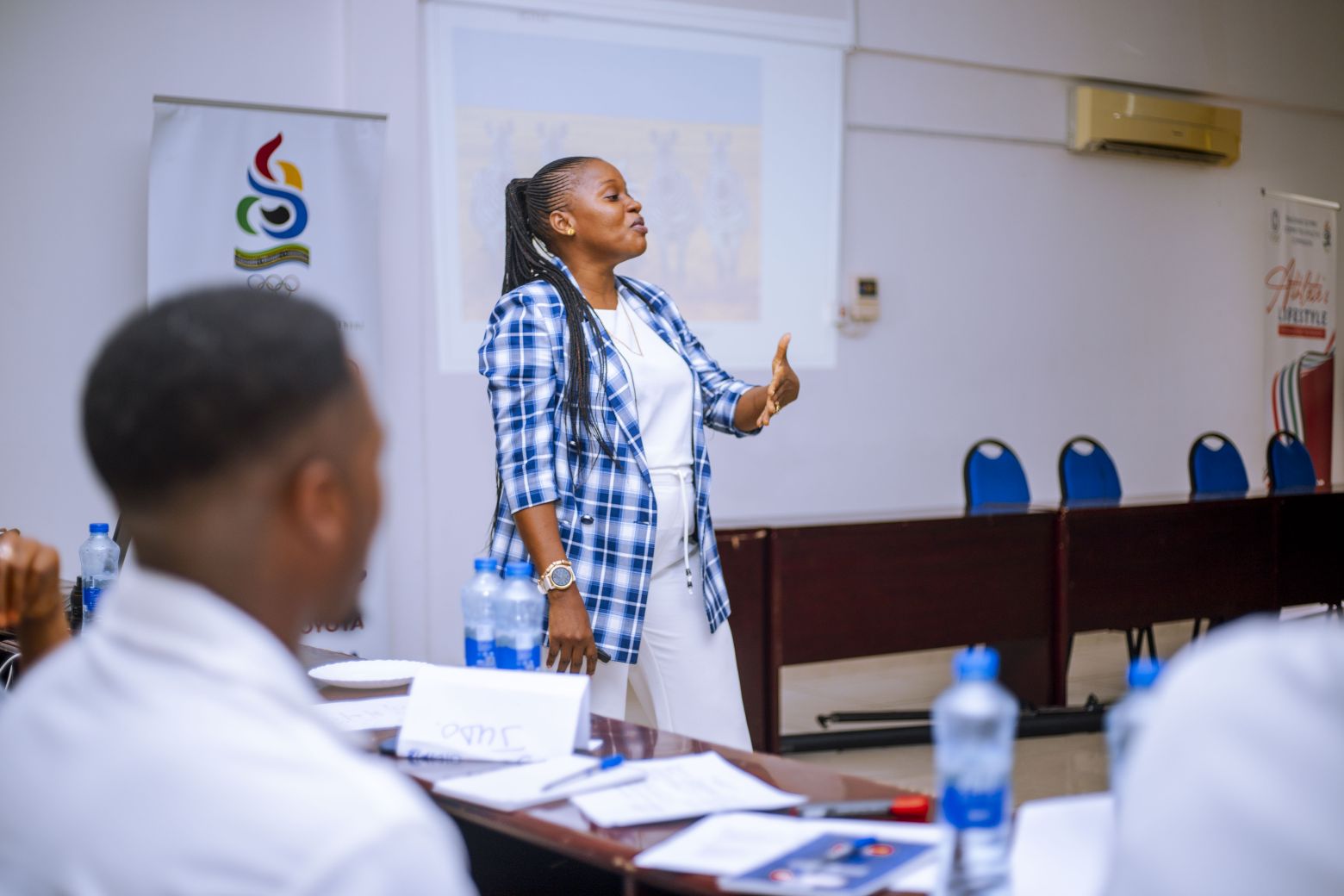
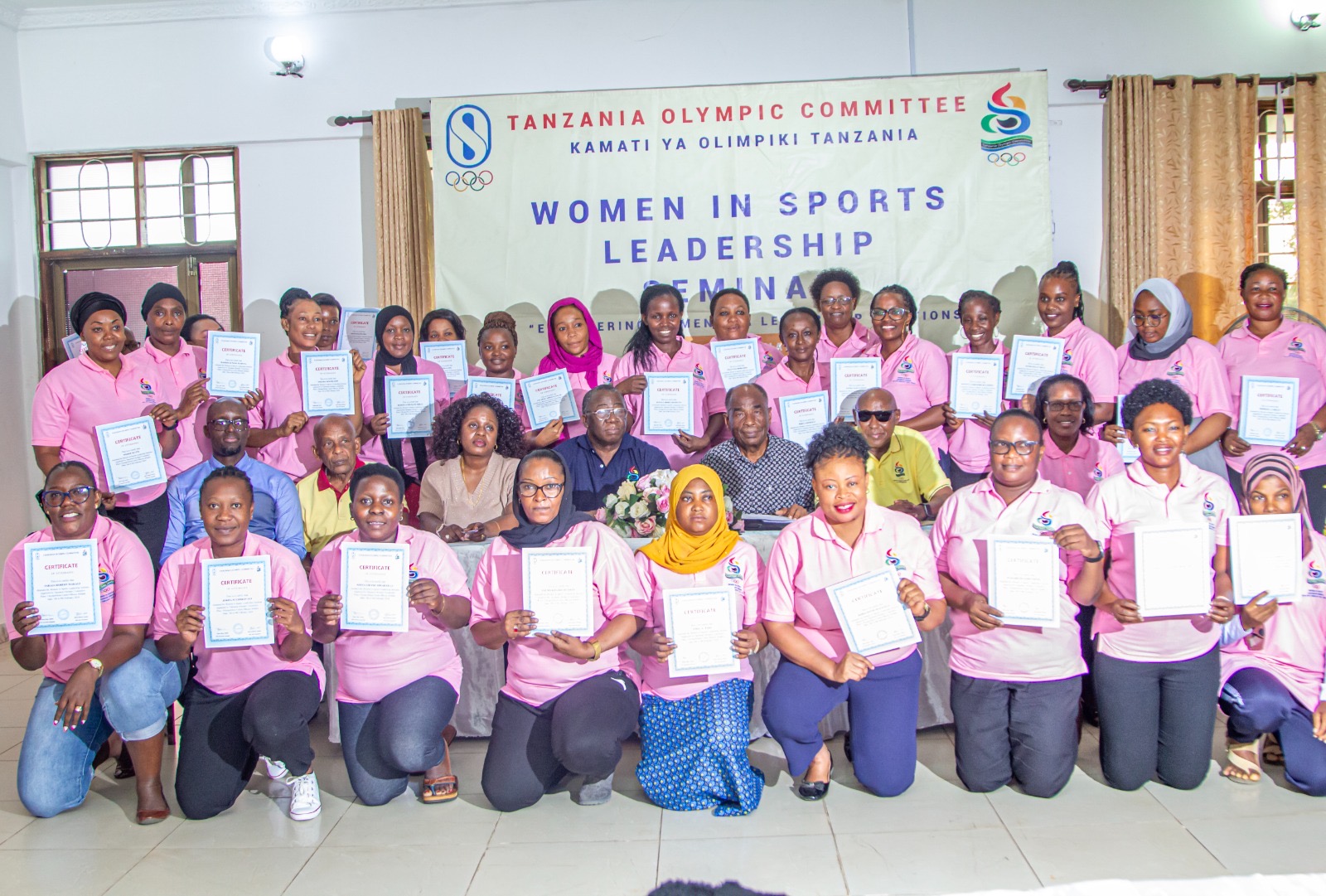
- Secretary of the Women’s Committee, advocating for increased female participation in Olympic sports and leadership.
- Key contributor to national policies and strategiespromoting ethical governance, athlete development, and gender equality across sports disciplines.
Her role at TOC positions her at the forefront of sports governance in Tanzania, influencing institutional reform, Olympic movement representation, and the development of inclusive sports policies nationally.
My MEMOS Journey: Sports, Leadership, and the Power of Sports
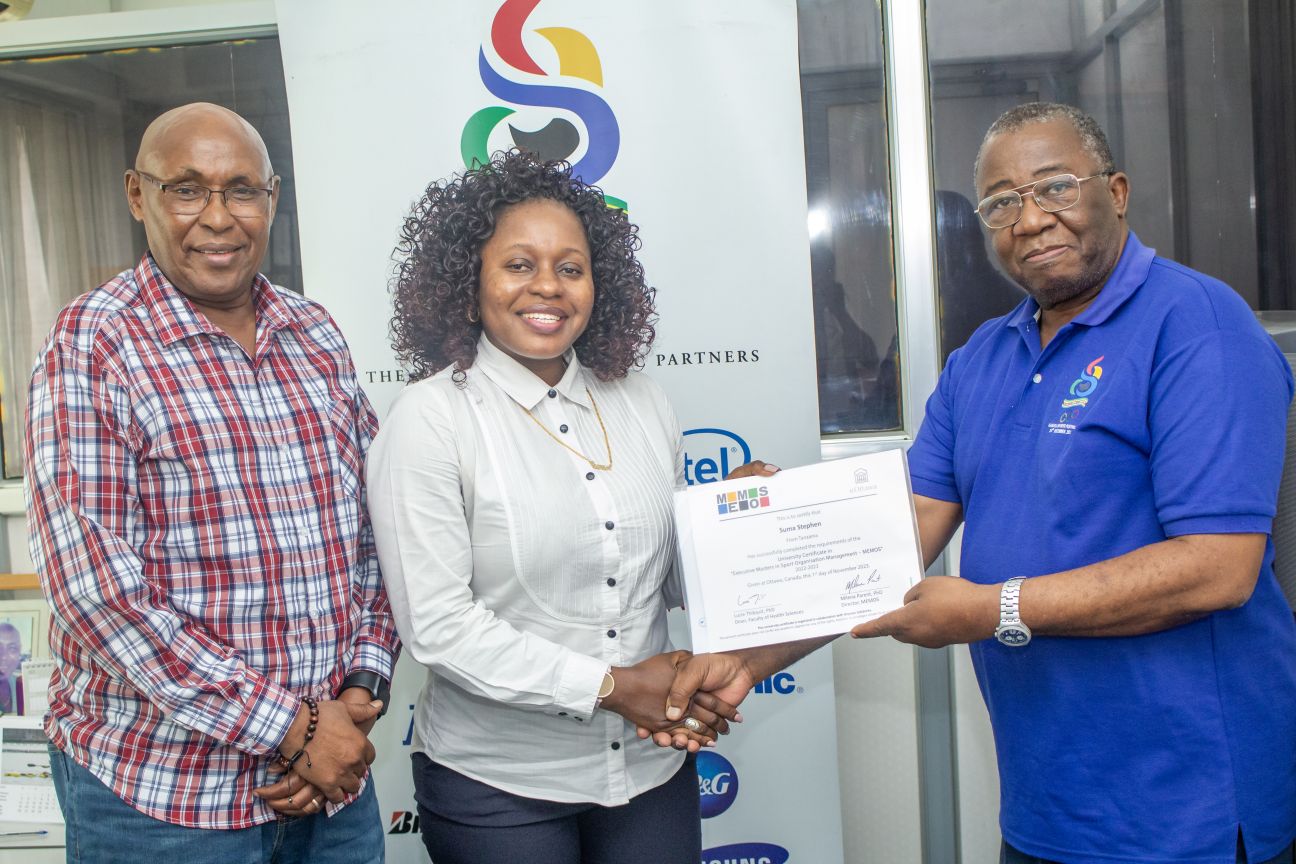
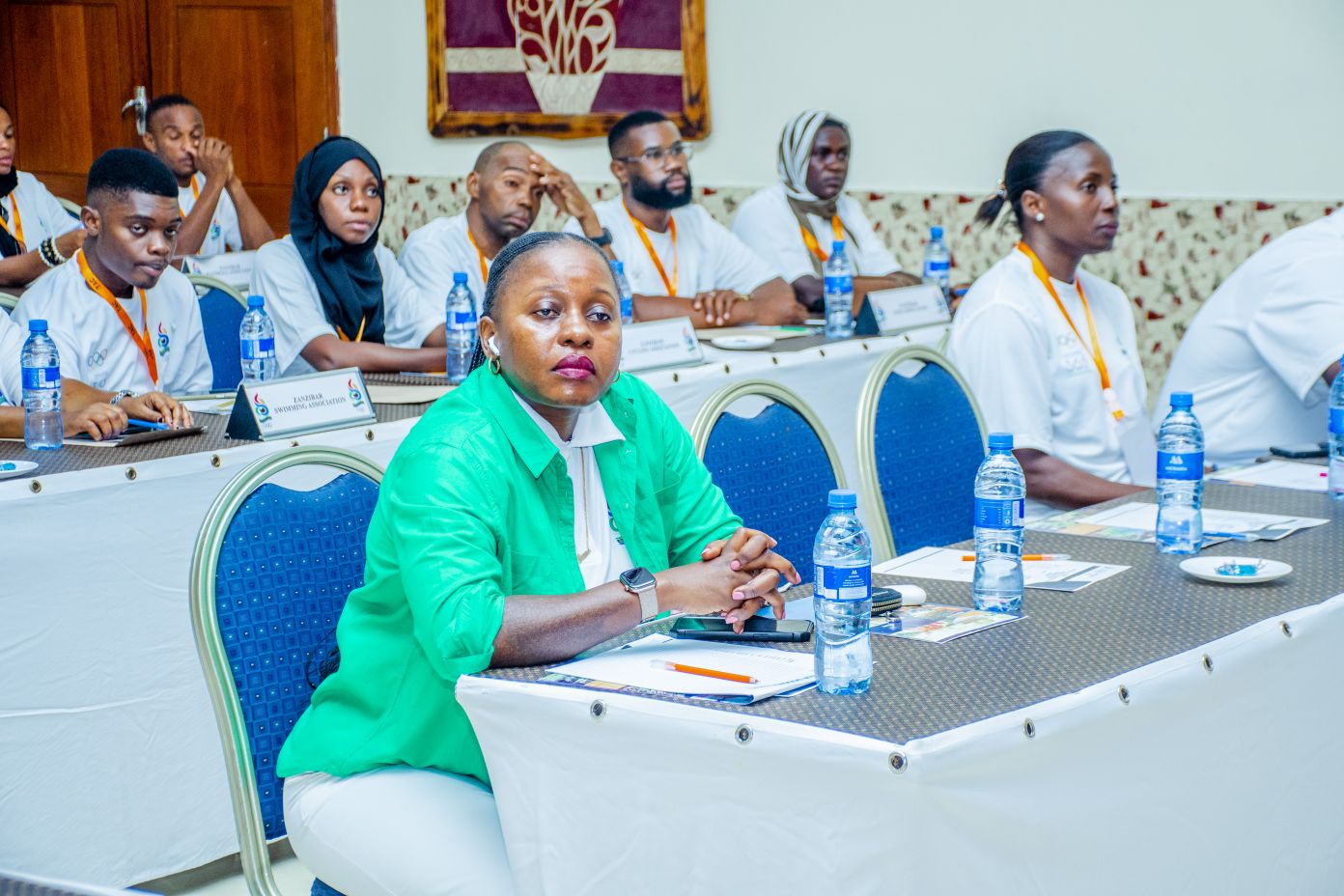
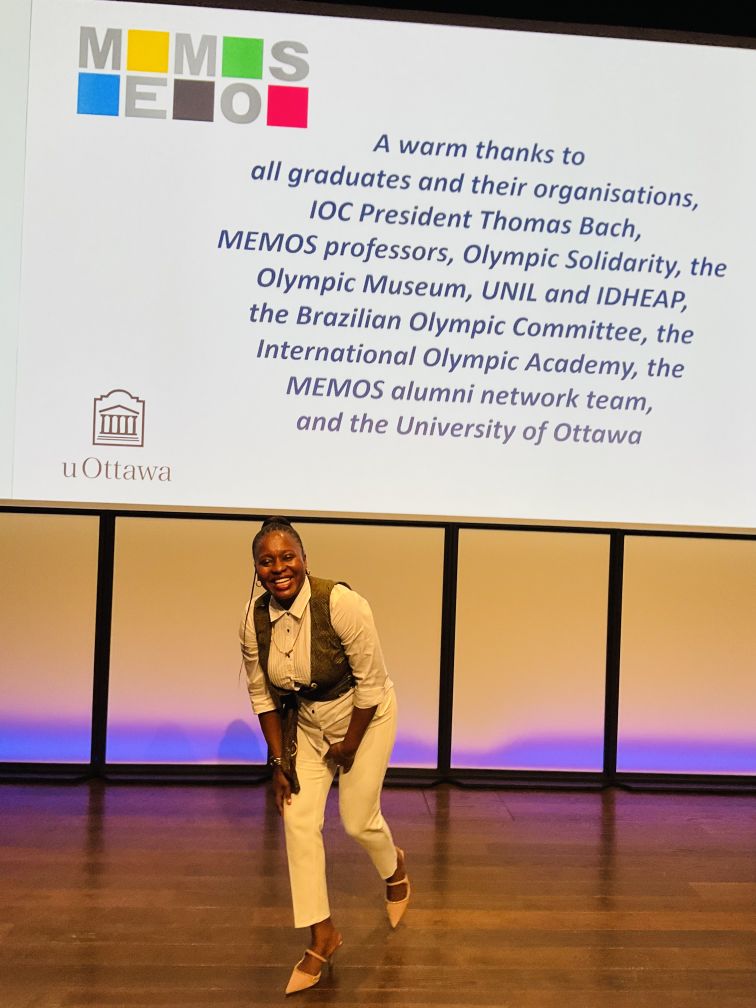
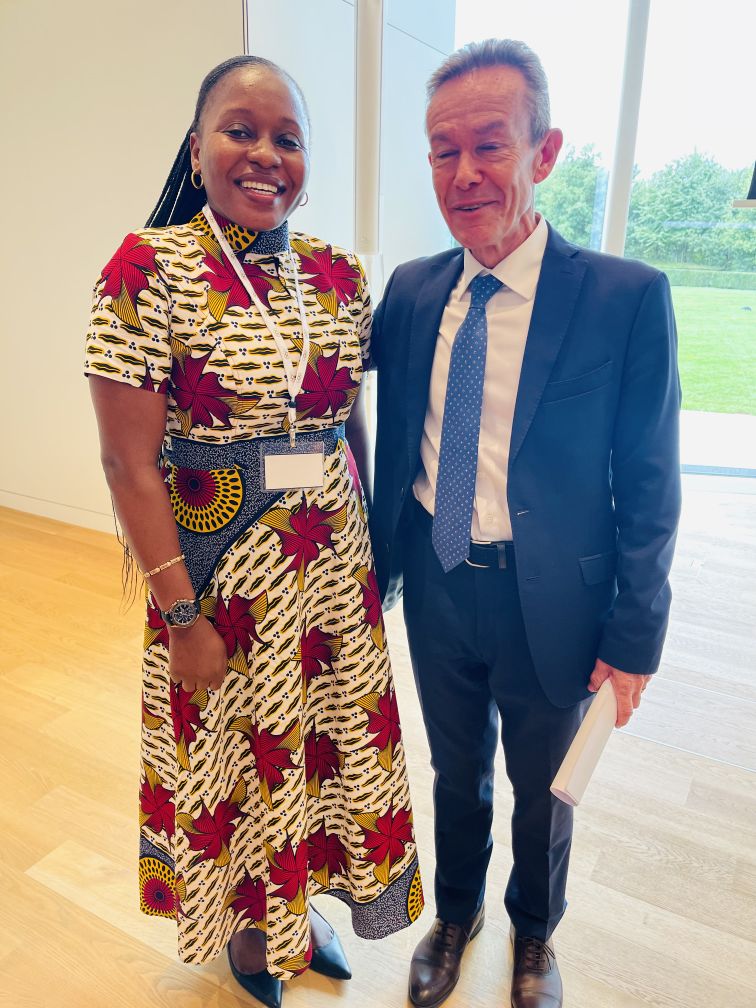
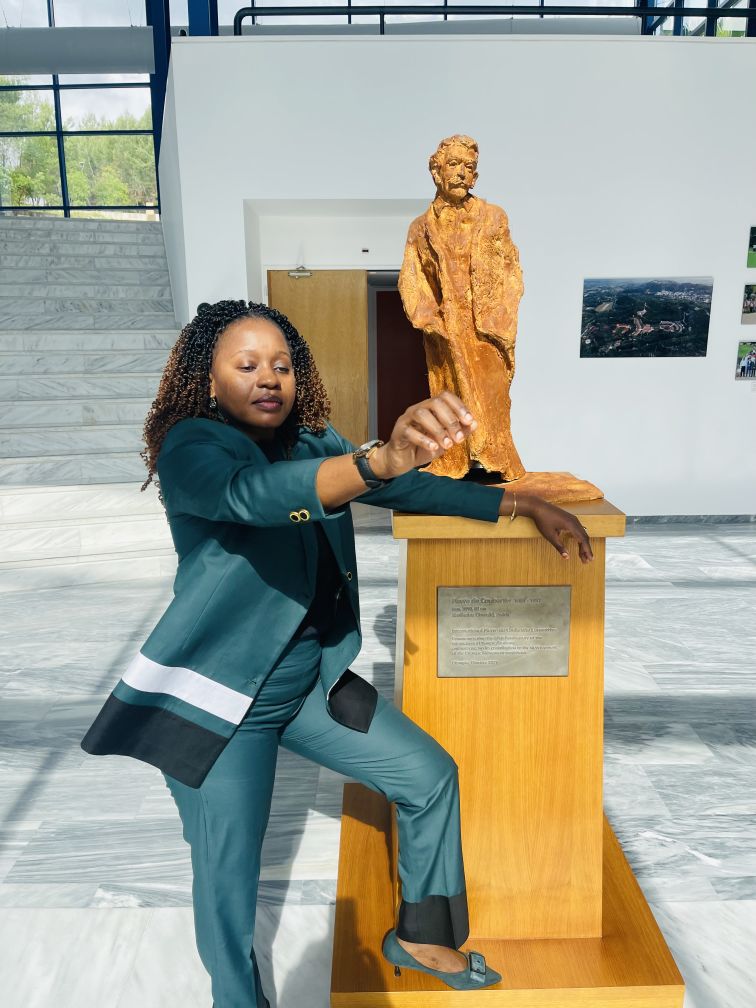
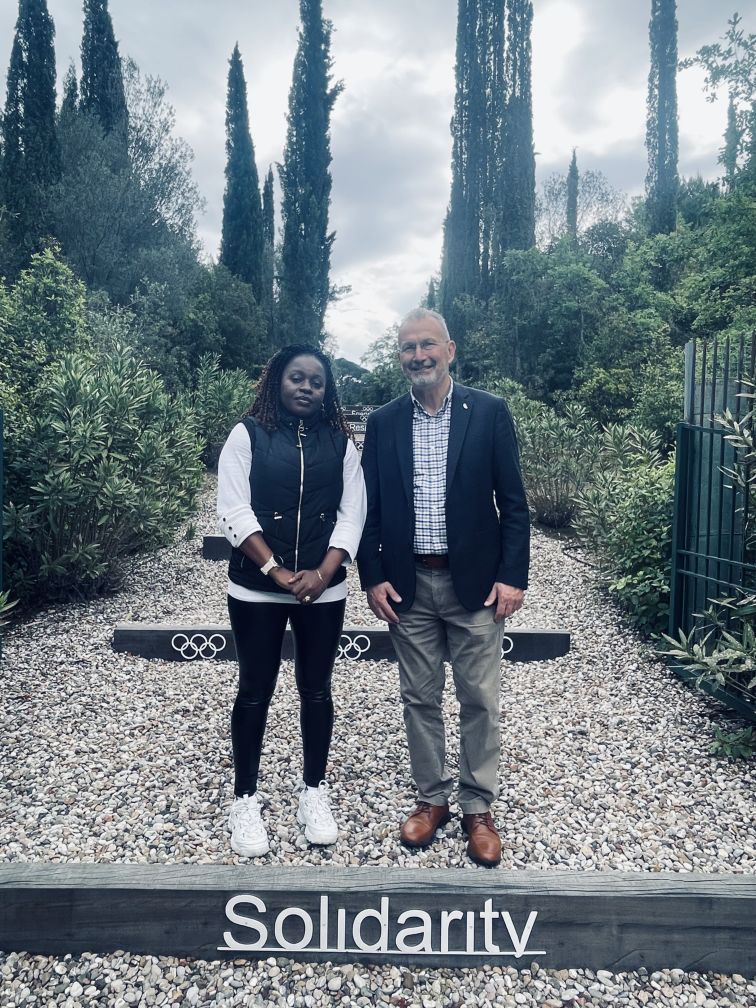
The MEMOS programme is a prestigious executive master’s course designed for sports professionals aiming to lead transformation within their organisations. In 2022, I embarked on a journey that would challenge my thinking, sharpen my leadership, and deepen my purpose in sports: the Executive Master’s in Sports Organisation Management (MEMOS). MEMOS is more than just a degree. It is a global classroom of sports leaders brought together by a shared commitment to improve the organisations and communities we serve.
As a Tanzanian woman, a construction professional, and a passionate advocate of sound management principles in sports, my MEMOS journey was deeply personal. I joined the MEMOS XXV English edition, supported by the International Olympic Committee (IOC). I walked into a room of leaders worldwide, each bringing their story, challenges, and vision.
What I Learned
The MEMOS programme is built around critical themes that shape how sports organisations are run and how change can be made:
- Governance and Ethics: I learned that leadership starts with accountability. Good governance isn’t just about rules; it’s about trust, fairness, and creating space for others to lead.
- Strategic Management: We explored how to align vision with action, crafting long-term visions for sports development, including strategic planning for inclusion, infrastructure, and community impact. This meant rethinking how we support women in sports, from grassroots participation to executive leadership.
- Human Resource Management: This is the Human Capital in Sport and involves developing people-centered approaches to athlete development, coaching pathways, and volunteer management. It is about respect, communication, and shared purpose.
- Marketing, Finance & Sponsorship:Managing budgets, building sustainable sponsorship strategies, and promoting women’s sports through storytelling and media engagement, I strengthened my ability to create sustainable programmes, tell compelling stories, and attract the right partners to support sports.
- Event and Project Management: I gained the tools to plan and deliver impactful sports initiatives from local tournaments to international forums. Similarly, designing and implementing impactful sports projects, including community-based events and national campaigns for gender equality in sports.
My MEMOS Project: Uhuru Women’s Club (UWC)
The heart of MEMOS is the final project. Mine became something I hold very dear: incorporating a sports component into the already existing Uhuru Women’s Club (UWC). A nonprofit that now can use sports to empower girls and women through mentorship, capacity building, storytelling, and advocacy. Sports into UWC is my response to the gaps I saw: limited infrastructure, bias in coaching, and the near invisibility of female football fans and leaders.
Why MEMOS Mattered
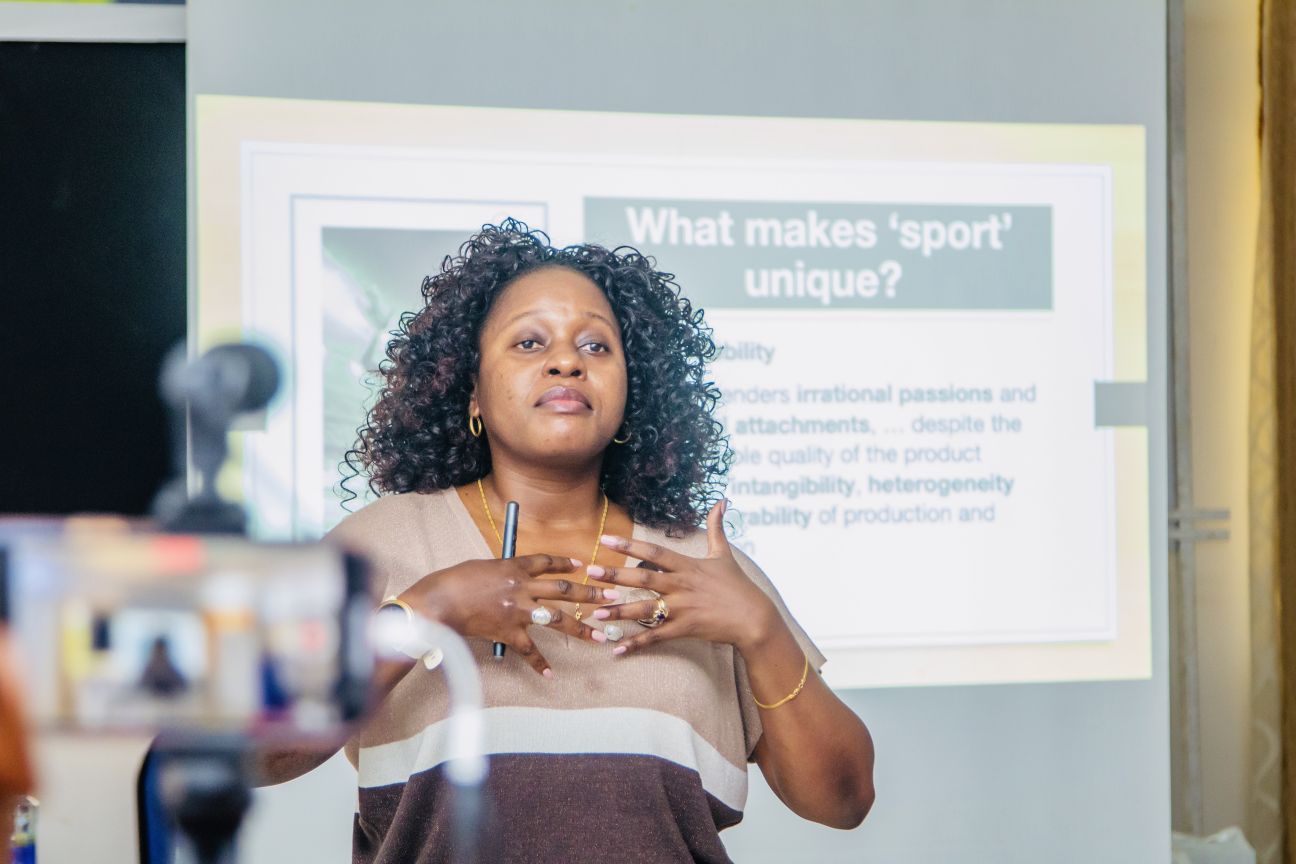
MEMOS was intense. It involved international modules in different countries, months of online learning, late-night assignments, and constant reflection. But it gave me something rare: a global lens to look at local problems and a network of friends and colleagues committed to using sport as a tool for social change. It reminded me that sport is about competition, community, identity, and voice, especially for girls and women in Tanzania who deserve to be seen, heard, and supported. As I continue my journey, I carry a degree and a renewed commitment to build inclusive spaces in sport, where everyone, regardless of gender, has a place on the pitch and beyond.